OpenAI Under Pressure: The U.S. Puts the Brakes on AI
Le brief IA que les pros lisent chaque soir
Les 7 actus IA du jour, décryptées en 5 min. Gratuit.
Inclus dès l'inscription : notre sélection des meilleurs guides & comparatifs IA.
Choisis ton rythme
Gratuit · Pas de spam · Désabonnement en 1 clic
The AI Economy in Full Transformation
The economy of artificial intelligence (AI) is undergoing a rapid transformation, with major players like OpenAI leading the way. However, this swift expansion is attracting the attention of regulators, who are seeking to frame this technology to prevent potential excesses.
Understanding the Laws of Scaling
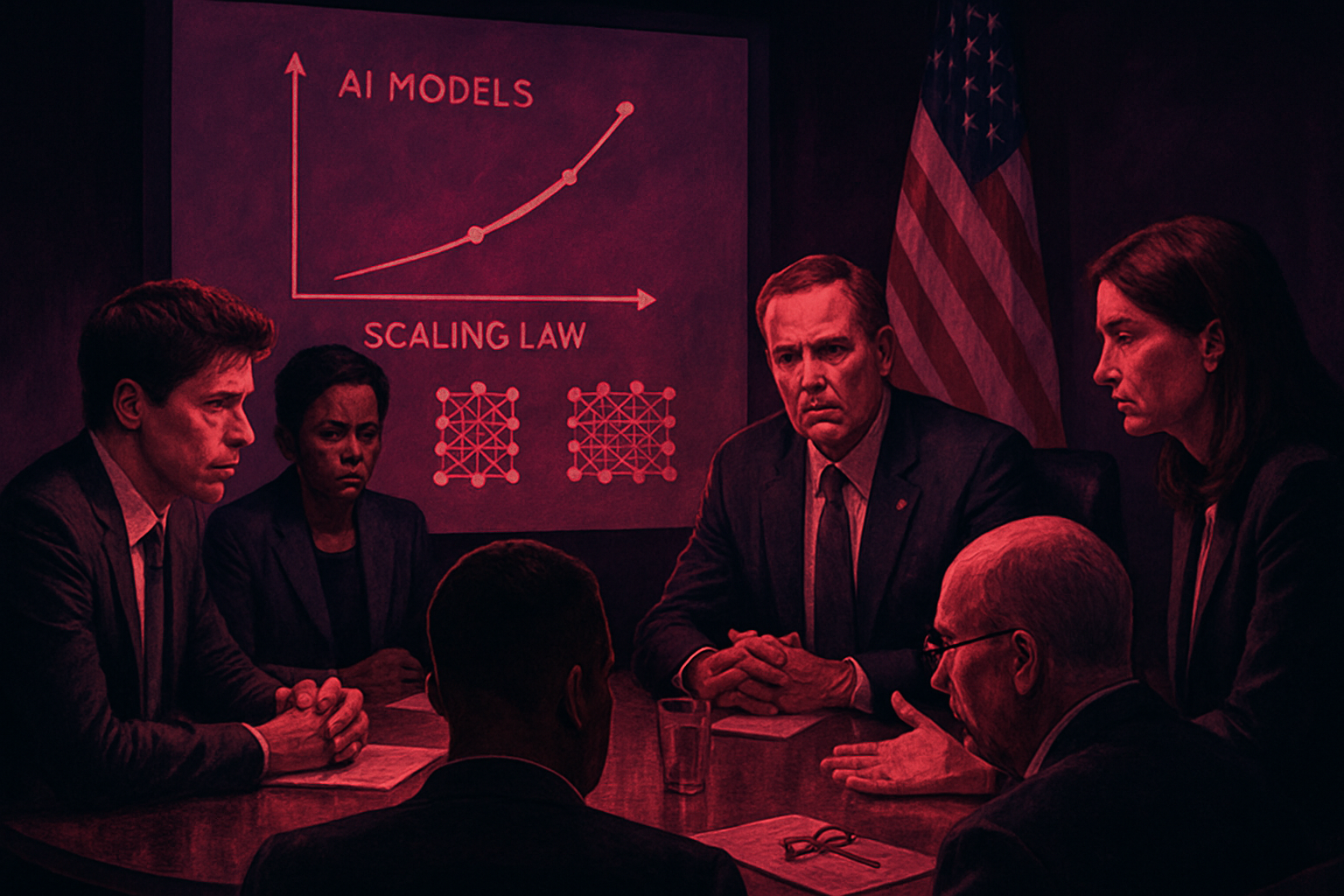
The laws of scaling are fundamental to the development of AI models. They explain how the performance of these models can be enhanced by increasing resources, such as data and computing power. These principles are essential for optimizing AI models for specific tasks and maximizing their efficiency.
Inconsistencies in Model Responses
A persistent challenge in the field of AI is the inconsistency of responses generated by models from the same prompts. This variability raises questions about the reliability and accuracy of AI models. Research teams are striving to address these issues to ensure more consistent and precise responses.
Innovations and Regulations
-
Liquid AI recently introduced its Liquid Foundation Models 2.5, which feature 230 million parameters, marking a significant advancement in the field.
-
Vercel has launched the AI SDK 7, designed to improve the orchestration of workflows and tools, thereby enhancing the efficiency of AI processes.
-
In the context of growing regulatory concerns, the White House has asked OpenAI to slow down the deployment of its new models. This request reflects a desire to better control the impact of AI on society.
Conclusion
The interaction between AI companies, such as OpenAI, and government regulators is crucial for the future of the sector. The laws of scaling and the management of inconsistencies in model responses are key aspects to watch, as they will influence how AI develops in the coming years.
Brief IA — L'actualité IA en français
L'essentiel de l'actualité de l'intelligence artificielle, décrypté et expliqué chaque jour.