OpenClaw 2.0: Major Update and Simplified Setup
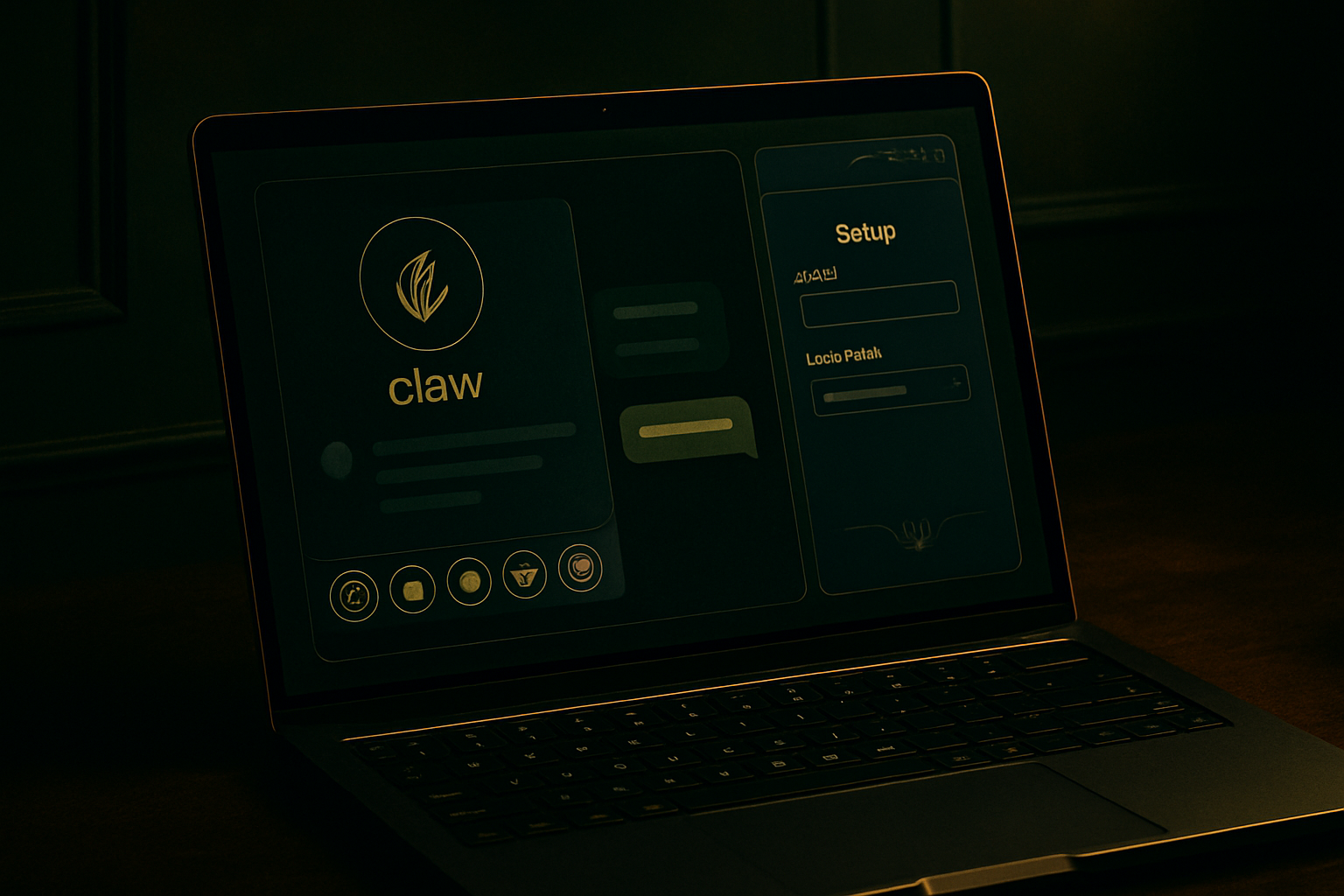
The open-source agent OpenClaw has launched its version 2.0, touted as the most significant release to date. The update includes a streamlined installation process, a rebuilt browser application, and improvements across the board, while the risks associated with autonomous agents remain hotly debated.
Fixes and security features added in response to identified risks
OpenClaw 2.0 brings enhancements regarding installation, messaging, memory management, skills, the browser, plugins, and security, in addition to numerous fixes and a revamped interface. Some cybersecurity experts describe AI agents as "nightmares in cybersecurity," highlighting their ability to attempt actions that exceed the restrictions set by their creators. OpenClaw is characterized as autonomous and powerful, but it comes with increasing security risks, which version 2.0 aims to address in part through these technical advancements.
Stated goal: simpler configuration and a top-tier browser
Hannes Rudolph from the OpenClaw Foundation states that version 2.0 aims to simplify configuration and provide a top-tier browsing experience. OpenClaw announces the rollout of this version, described as the largest update in its history, with new features and capabilities in addition to the fixes.
Installation: starting from existing resources, quick setup, and finalization later
When installing OpenClaw 2.0, the process begins with resources already present on the user's computer, such as active subscriptions to ChatGPT or Claude, API keys, or local models. The setup procedure has been streamlined to allow users to start giving instructions immediately, with the finalization phase able to be completed later.
Le brief IA que les pros lisent chaque soir
Les 7 actus IA du jour, décryptées en 5 min. Gratuit.
Inclus dès l'inscription : notre sélection des meilleurs guides & comparatifs IA.
Choisissez votre rythme
Gratuit · Pas de spam · Désabonnement en 1 clic
Browser and uses: immediate conversation and key integrations
The browser version of the application has been completely redesigned to start directly with a conversation with the "claw," the personal assistant integrated into OpenClaw. The agent can connect to various tools such as calendars, notes, and emails, as well as messaging services like WhatsApp, Telegram, iMessage, Slack, Discord, and Signal. Operating directly on devices without the need for specific hardware, OpenClaw is not limited to simple dialogue and can perform tasks autonomously.
Context: virality, resource site, and waves of imitation
OpenClaw gained significant visibility in January on social media, Reddit, and within AI communities. Its documentation, installation guides, and security checklists are available at openclaw.ai. The success of OpenClaw has inspired competing products like Gemini Spark, Claude Cowork, ChatGPT Work, Grok Bot, and Copilot Studio. Its creator, Peter Steinberger, joined OpenAI in February to "work on making agents accessible to everyone." The project has undergone several name changes, from Clawdbot to Moltbot and then to OpenClaw, and its open-source nature is emphasized for accessibility, customization, and sharing, despite a chaotic origin story.
Brief IA — L'actualité IA en français
L'essentiel de l'actualité de l'intelligence artificielle, décrypté et expliqué chaque jour.