Oreogate: a Suno campaign, authenticity unconfirmed
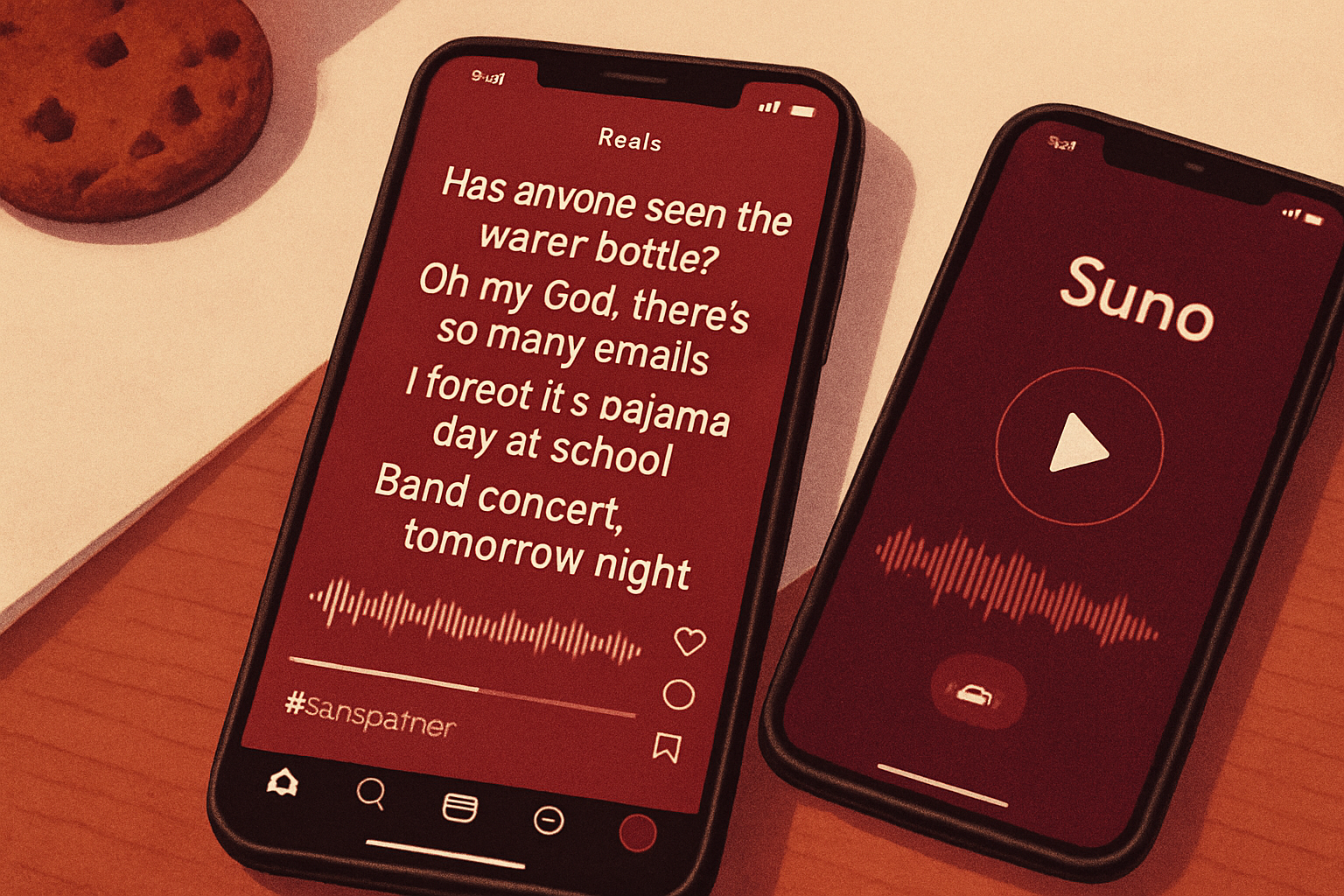
An Instagram saga about cookies at school has exploded in popularity. The videos are well-sponsored by Suno, a generative music app, but the reality of the exchanges depicted has not been confirmed. The episode crystallizes a growing use of fake storytimes in social marketing.
Unverified Authenticity and a Reticent Creator
At this stage, the reality of the exchanges presented in Oreogate is not established. A message was sent to @ashleighjamz to verify the facts. She indicates that she is deliberately avoiding providing details about the people and messages involved while everything is ongoing, due to the scale of the discussions. After several follow-up questions, no further response has been received. The account @ashleighjamz was created about three weeks ago and only publishes content related to Suno, without typical personal elements. The format is recurring: screenshots of conversations about social situations, turned into songs with Suno and accompanied by the hashtag #sunopartner. The screenshots show names, including those of children. Other posts include "Turning my friend's wild message into a song" and "My husband lost our dog and here's how he told me," as well as series in 8 and 3 parts about a bachelorette party and messages from a former boss.
What is Confirmed: Suno Sponsorship and Absence of Oreo
The Oreogate videos are published as part of a paid partnership with Suno and end with the hashtag #sunopartner. According to their captions, the songs arise from message screenshots transformed into lyrics and then generated with the tool. Suno confirms that @ashleighjamz is a paid partner tasked with creating content around its app for social media. The company states that it does not control what its partners publish in their advertisements and specifies that creators have the freedom to use the tool as they wish. It claims not to be the source of the idea for songs about Oreos or parenting, mentioning a pre-existing agreement with a creator who had the idea. For its part, Oreo states that it was not involved.
Le brief IA que les pros lisent chaque soir
Les 7 actus IA du jour, décryptées en 5 min. Gratuit.
Inclus dès l'inscription : notre sélection des meilleurs guides & comparatifs IA.
Choisis ton rythme
Gratuit · Pas de spam · Désabonnement en 1 clic
Massive Spread and Chain Reactions
The saga has gone viral, with the first video surpassing 10 million views. Media outlets such as the New York Post and AdAge have picked it up, followed by other publications. Creators and brands have produced echoing content, while pediatricians have weighed in. Dozens of mothers have posted videos buying Oreos or slipping them into lunch boxes in reference to the mentioned student. The series, which already includes more than 13 videos, features a dispute among parents over Oreos in lunches: the mother of a student named Ava requests that they not be sent, Ava returns upset asking for cookies, other mothers refuse to comply, children share their Oreos, and the mother claims to have involved the teacher.
Fake Storytimes Used in UGC Marketing
A trend is emerging in user-generated content marketing: fake storytime narratives depicting tense social situations, whether involving bosses, mothers-in-law, or unfaithful partners. Kate Lindsay has documented this practice and its spread on TikTok and Instagram in the newsletter Link In Bio. In this context, the clarity of disclosures remains an issue: thanking or tagging brands in comments does not always equate to sufficient transparency according to the FTC. Clipping is developing at the intersection of advertising and content, driven by new incentives for creators, platforms, and brands.
Brief IA — L'actualité IA en français
L'essentiel de l'actualité de l'intelligence artificielle, décrypté et expliqué chaque jour.