Oura Targeted by Lawsuit Over Sleep Tracking AI
Le brief IA que les pros lisent chaque soir
Les 7 actus IA du jour, décryptées en 5 min. Gratuit.
Inclus dès l'inscription : notre sélection des meilleurs guides & comparatifs IA.
Choisis ton rythme
Gratuit · Pas de spam · Désabonnement en 1 clic
The connected ring brand is facing a lawsuit over allegations of false advertising regarding the accuracy of its AI-driven sleep tracking. The firm behind the lawsuit is seeking a class action and a jury trial, while experts remind that these devices provide estimates rather than diagnoses. The outcome for potential buyers remains uncertain.
A class action is underway and the outcome is open
Beyond the new lawsuit, Oura is already facing an ongoing class action that accuses it of collecting sensitive personal information without consent for two years. For the new case, it is too early to determine whether Oura Ring buyers will be included, and no indication of potential compensation is available until the proceedings advance or a settlement is considered.
More broadly, Anna Gragert, editor-in-chief specializing in Oura products, reminds us that health trackers like the Oura Ring can signal symptoms but do not provide diagnoses and are not comparable to medical equipment. According to her, the sleep scores and phases offered are merely estimates, and an isolated result should not be overinterpreted. She believes that the pace of device commercialization has outstripped scientific research, highlighting the need for further studies, including on potential drawbacks.
The lawsuit challenges the capabilities of Oura's sensors
The algorithms and sensors of the Oura Ring do not capture the physiological signals necessary to accurately measure the different phases of sleep. According to the complaint, the results are AI-generated estimates, presented as random as a coin toss. The plaintiffs claim that by maintaining contradictory messages in its advertising and product pages, Oura misleads its customers.
The lawsuit points out that a clinical sleep ranking employs complex methods, including recording brain activity through multiple electrodes, a tool that Oura rings do not incorporate. It also highlights a claim of "95%" accuracy compared to a laboratory. More broadly, the plaintiffs argue that Oura has sold rings priced at $300 and above, promising sleep tracking comparable to that of a hospital, and assert that a $11 billion company has been built on this trust.
Oura claims to measure seven aspects of sleep and provide a score
On its website, Oura presents its rings as capable of tracking seven elements of sleep, including REM sleep and deep sleep, culminating in a sleep score. When asked, the company did not immediately respond to a request for comment.
The Clarkson firm has taken legal action in San Francisco
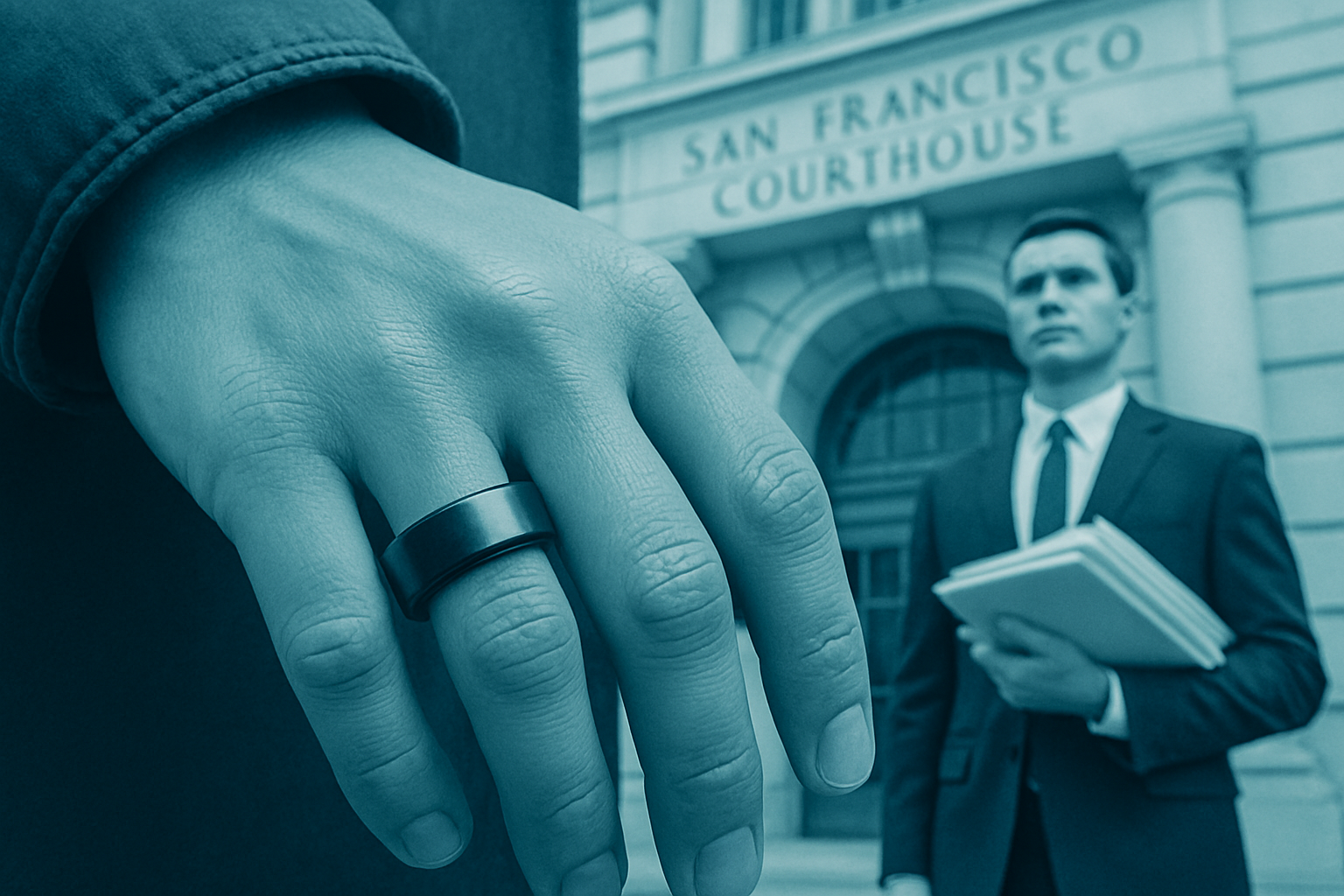
The case was officially filed on Thursday in San Francisco by the Clarkson Law Firm. The attorneys are seeking recognition as a class action and requesting a jury trial. The complaint centers on an allegation of false advertising related to the accuracy of AI-generated sleep tracking.
Ryan Clarkson, co-founder and managing partner of the firm, states that misinformation is unacceptable when people rely on a device for health decisions. He asserts that Oura users trust the displayed figures as reflecting reality and that individuals organize their daily lives around figures presented as inaccurate.
Brief IA — L'actualité IA en français
L'essentiel de l'actualité de l'intelligence artificielle, décrypté et expliqué chaque jour.