Palantir Challenges Tokenmaxxing with Its AI Manifesto
Le brief IA que les pros lisent chaque soir
Les 7 actus IA du jour, décryptées en 5 min. Gratuit.
Inclus dès l'inscription : notre sélection des meilleurs guides & comparatifs IA.
Choisis ton rythme
Gratuit · Pas de spam · Désabonnement en 1 clic
Palantir and Its Call for AI Sovereignty
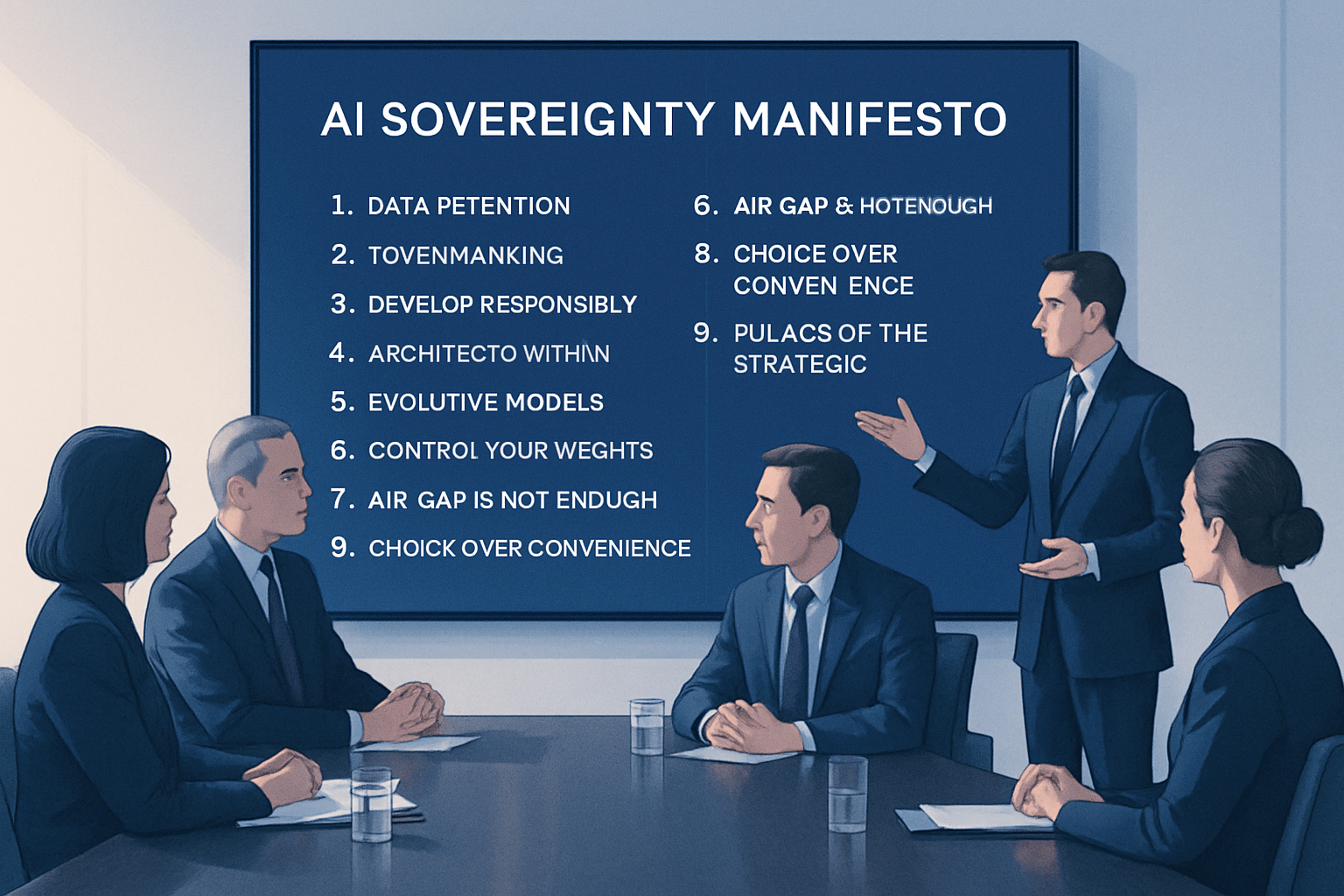
Palantir has published a nine-point manifesto highlighting the importance of sovereignty in artificial intelligence. The company urges organizations to keep their data in-house rather than outsourcing it to third parties that it deems unreliable. This manifesto emphasizes the risks associated with losing control of data in an increasingly digital world.
The manifesto also critiques the phenomenon of tokenmaxxing, which involves heavily investing in AI without real added value. Palantir claims that this practice creates an addictive sensation of false progress. The company points out that those who sell tokens refuse to charge based on the actual value they provide.
The Nine Key Points of the Manifesto
-
AI sovereignty as a pillar of institutional future. Palantir asserts that sovereignty is essential to ensure free choice. Abandoning this sovereignty risks allowing other entities to make decisions on your behalf, often to your detriment.
-
The strategic value of data. Data is presented as a major asset. Outsourcing it exposes companies to risks. Palantir emphasizes the importance of capitalizing on one's own data to generate unique insights and maintain a competitive advantage.
-
The dangers of tokenmaxxing. This trend of maximizing token usage diverts companies from their true added value. Palantir criticizes this approach, which favors temporary solutions over robust software, thus creating an illusion of progress.
-
Control of weights as a lever of power. Weights, which represent institutional knowledge, must be protected. Palantir warns that relinquishing this control to others amounts to transferring your company's competitive advantage to third parties.
-
Sovereignty and performance are not incompatible. The company argues that an architecture that preserves sovereignty allows for the transformation of internal knowledge into competitive advantage, or alpha.
-
The dangers of technical politicization. Palantir warns against the politicization of technical issues, which can lead to a false sense of sovereignty. This approach risks limiting decision-making autonomy, particularly in Western strategic contexts, especially on the battlefield.
-
The importance of authentic expertise. According to Palantir, technical decisions should not be influenced by political considerations or favoritism. Listening to experts close to real problems is crucial.
-
Learning from resilient institutions. Organizations that have faced existential threats offer valuable lessons. They cannot afford to base their decisions on political preferences, as this could jeopardize their survival.
-
Reliability as a criterion for trust. Palantir emphasizes that only entities with a history of accurate decisions should be listened to. A track record of correctness is the best and only signal for future accuracy, and judging based on personal affinities is a major strategic error.
Brief IA — L'actualité IA en français
L'essentiel de l'actualité de l'intelligence artificielle, décrypté et expliqué chaque jour.