Platforms Restrict Access to Artificial Intelligence Robots
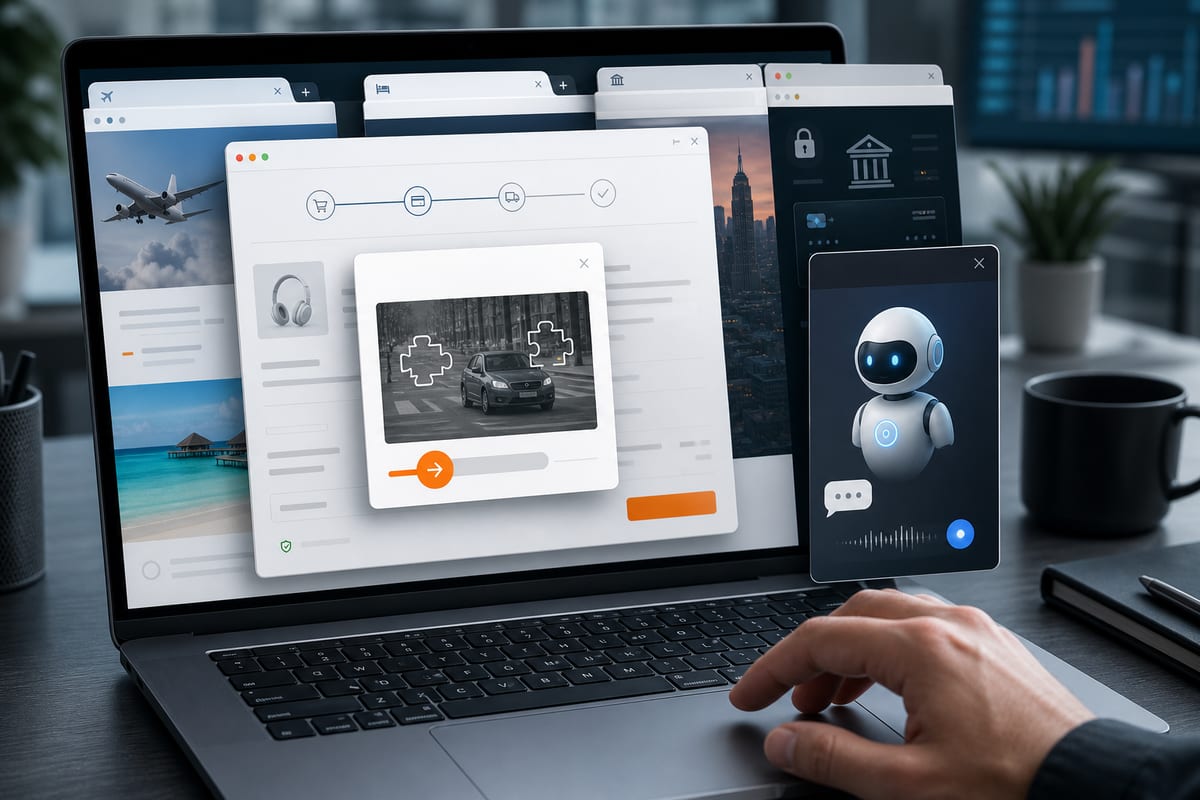
From Yelp to Delta, online services are closing access to automated assistants. Cloudflare is adding anti-crawler filters, and banks are blocking the use of agents on accounts. In the face of these obstacles, Meta is partnering with brands, while the legal battle between Amazon and Perplexity continues.
Cloudflare strengthens filters as anti-bots become widespread
In 2025, Cloudflare introduced a one-click block for AI crawlers and began blocking those that scrape sites for both search indexing and model training. The company presents these measures as efforts to protect the web from an influx of AI bots that strain infrastructure, clutter inboxes, and complicate access to tickets, reservations, or certain products. More broadly, anti-bot systems, now ubiquitous, conflict with AI agents even in the absence of explicit bans.
According to Chris Canal (EquiStamp), these protections are designed to counter fraud and hacking but trigger the same safeguards when agents are operating. He believes that the tightening will make the web more frustrating to use, as anti-robot checks become more common, possibly even on shopping sites, with more steps required to prove one's humanity. He adds that these blocks weigh on the perceived value of players like Anthropic and OpenAI, even as the initial promise is to accomplish online everything a human can do; if companies actively prevent these uses, agents have mechanically fewer useful tasks to perform.
Banks, transport, and online commerce block agent access
Several sectors are shutting the door on agents. Yelp restricts access to only those agents that pay for its data license, while Delta Air Lines prevents ticket bookings via these tools. JPMorgan Chase and Charles Schwab block access to accounts by agents for security reasons. In recent weeks, users of Muse (Meta), Grok (xAI), Dots (OpenAI), and Instinct have reported blocks on major sites; some report that Cars.com and Amtrak, previously accessible, are no longer available through their agent, suggesting that other blocks may be quietly implemented.
Le brief IA que les pros lisent chaque soir
Les 7 actus IA du jour, décryptées en 5 min. Gratuit.
Inclus dès l'inscription : notre sélection des meilleurs guides & comparatifs IA.
Choisissez votre rythme
Gratuit · Pas de spam · Désabonnement en 1 clic
Similar signals are appearing elsewhere: discussions on Reddit suggest that Google has blocked certain accounts using Muse due to suspicious activity, and users mention payment difficulties at Walmart despite its partnership with Meta.
In-house agents deployed, but repeated clashes with Amazon
OpenAI, Meta, and Google have deployed their own agents despite a tense legal context, but face similar hurdles to those encountered by Perplexity. Amazon has indicated that continued access to Muse violates its site policies, and reports indicate difficulties for Grok from xAI, Instinct's agent, and Dots from OpenAI on the commercial platform. In response, Elon Musk suggested he might create a competitor to Amazon. As bot access is restricted on more sites, the question of the real utility of these agents intensifies.
Meta prioritizes merchant agreements to enable purchases with Muse
Meta has defended the idea that preventing a personal agent is akin to denying the customer using it, asserting that it wants to address companies' concerns rather than see them lose customers. The company has sealed partnerships with Walmart, Gap, Sephora, Best Buy, and others to allow purchases via Muse on their sites. Meanwhile, Shopify has opened its network of stores to AI agents. When asked about the obstacles faced by their agents, OpenAI and Google did not respond immediately, while Instinct declined to comment.
Amazon vs. Perplexity: ban, injunction, appeal, then amended complaint
Amazon has banned Perplexity's agent-based purchasing feature and has initiated legal action. The company claimed to have repeatedly asked the startup to cease automated purchases, reminding that any third party acting on behalf of a customer must be transparent and respect the decisions of service providers. Perplexity countered that Amazon fears a decline in human traffic on its ads and presented its agent as an extension of the user, arguing for the right to employ an assistant. A judge ordered Perplexity to stop its purchases on Amazon, a decision later overturned by an appeals court in August. Amazon has since filed an amended complaint.
Brief IA — L'actualité IA en français
L'essentiel de l'actualité de l'intelligence artificielle, décrypté et expliqué chaque jour.