Printed Circuits: AI Raises Concerns Over Shortage
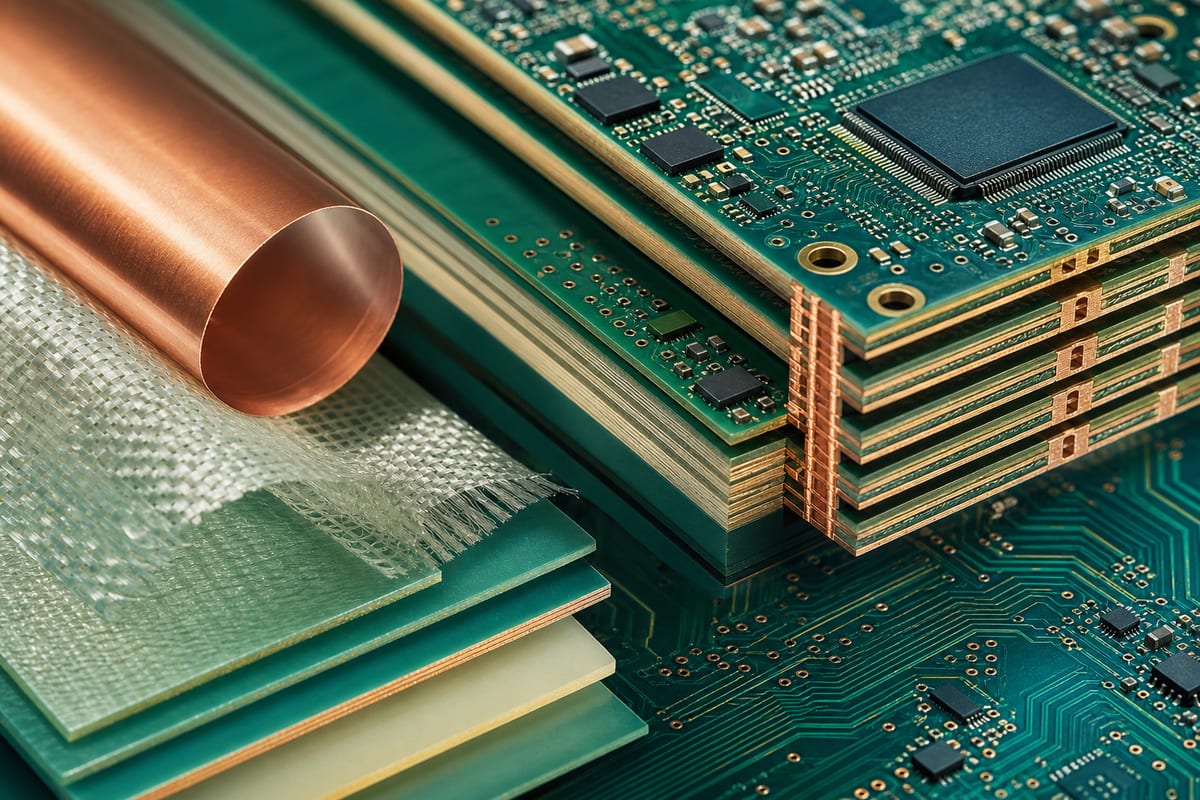
The World Electronics Association warns of a potential shortage of printed circuit boards due to demand in AI and considers a significant easing unlikely before mid-2028. The automotive, industrial, medical, and defense sectors are seeing their delivery schedules pushed behind the needs of AI.
Materials Are More Expensive and Delays Are Lengthening
According to the World Electronics Association, suppliers raised the prices of laminates by 30% in September, while the price of certain E-glass fabrics intended for boards increased by 300%. The organization also notes a 37% rise in copper prices over the past year.
Delays are also stretching: the association reports a six to eight-week lead time for shipping standard FR-4 laminate, compared to two to three weeks the previous year. For advanced low-loss laminates, the wait now reaches 14 to 18 weeks.
At Gartner, Cori Masters, senior analyst director in charge of supply chain operations, states that these upstream constraints have been observed and reported over the last two quarters. She explains that the development of AI data centers is redirecting capacities towards boards with more layers. Their longer processing times leave fewer lines available for traditional printed circuit boards.
Demand Exceeds Production Capacities
Production expansions are underway, particularly in Asia, which manufactures over 90% of global boards. The association reports $10 billion invested in new factories in Southeast Asia, as well as a comparable amount committed in China over the past three years. However, it considers these capacities to be late and gradual, quickly absorbed by AI, while materials are expected to remain constrained at least until the first half of 2027 according to its projections.
Le brief IA que les pros lisent chaque soir
Les 7 actus IA du jour, décryptées en 5 min. Gratuit.
Inclus dès l'inscription : notre sélection des meilleurs guides & comparatifs IA.
Choisissez votre rythme
Gratuit · Pas de spam · Désabonnement en 1 clic
The complexity of the boards explains the material needs: the organization compares the approximately 12 layers of a typical PC circuit to the 40 to 60 layers, or even more, of an AI server board. Each layer requires additional resin, copper foil, and laminate. According to the association, demand exceeds suppliers' preparations at all levels, from glass fabric to finished boards.
In North America, its figures show a 56.1% increase in orders during the first nine months of 2026 compared to the same period the previous year. Shipments have only increased by 13.3% during this interval. The organization links the current risk of a shortage of chips to that of 2021, when manufacturers struggled to obtain even common components.
Recommendations for Buyers and Governments
To buyers, the association recommends early preparation and realistic forecasts communicated to suppliers, rather than excessive reservations. It encourages manufacturers to qualify alternative sources of laminate and copper foil in advance. However, it advises against building inventories beyond needs, which exacerbate the pressure from forward purchases.
To governments, it calls for joint monitoring with the industry regarding timelines for both boards and materials. It also demands tax incentives for advanced equipment for the production of printed circuit boards and substrates, as well as public funding for research, development, and qualification of substitute materials.
Finally, the organization seeks grants and loan guarantees for small manufacturers and critical programs. These measures should also preserve new capacities in the event that forward purchases diminish and demand corrects itself in 2027.
Brief IA — L'actualité IA en français
L'essentiel de l'actualité de l'intelligence artificielle, décrypté et expliqué chaque jour.