Public AI Agents: Third-Party Consent at Stake
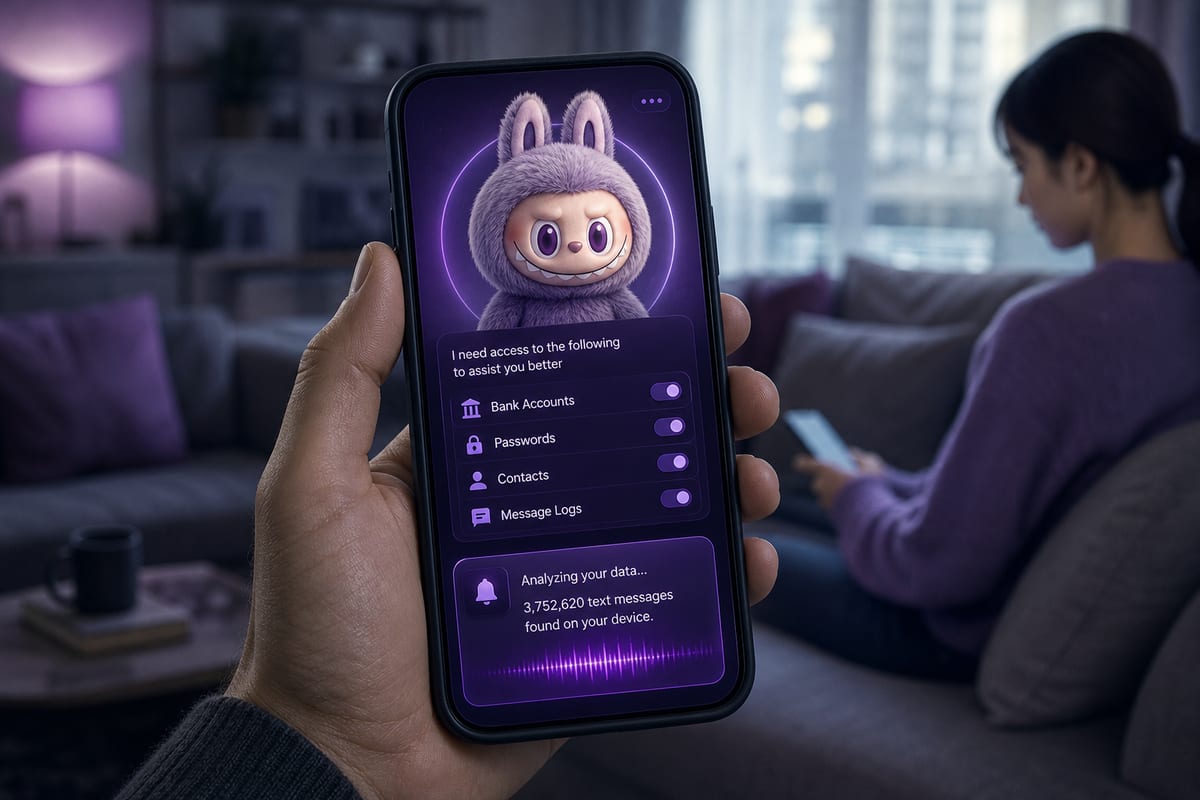
With Muse, Meta places the personal assistant at the heart of its users' privacy—and that of their loved ones. Reports of over-collection incidents have emerged, while Meta cites permission settings and the need for "context" to make the agent useful. Beyond the user, data from their entire digital network can enter the loop, with no real escape.
Data from Loved Ones Collected with No Credible Escape
AI agents that ingest vast amounts of data expose users to the risk of also disclosing sensitive information about the people they have had digital contact with. Meredith Whittaker emphasizes that autonomous actions affect not only the installer but also all their correspondents, from emails, messages, contacts, or photos. Even those who do not use these tools can have private conversations, an address, or personal history transmitted to Muse or a competitor by an acquaintance. There is no significant way to opt out, echoing an old problem already present with Gmail and social networks.
Reported Incidents and Meta's Contestation
Users describe instances of the assistant accessing millions of text messages supposedly out of scope and other malfunctions. Meta contests that the agent can reach text messages without permission and attributes these situations to poorly configured application permissions. The company thus shifts the cause to settings rather than the intrinsic functioning of the tool.
Le brief IA que les pros lisent chaque soir
Les 7 actus IA du jour, décryptées en 5 min. Gratuit.
Inclus dès l'inscription : notre sélection des meilleurs guides & comparatifs IA.
Choisissez votre rythme
Gratuit · Pas de spam · Désabonnement en 1 clic
What Meta Claims About Collection and Use
For Meta, an agent must have context about the user and their interlocutors to be truly useful. According to its spokesperson, Muse combines public information with what the user agrees to share. This corpus allows, for example, identifying the person who sent a bill as a professional already encountered, and acting accordingly.
A Promise of Convenience Based on Extensive Access
Since its release last month, Muse has been downloaded millions of times and has topped the App Store rankings, thanks to its proposal for proactive assistance. The application, represented by a smiling avatar, encourages users to allow access to sensitive information such as bank accounts, passwords, contacts, and conversation histories. This principle continues an old practice in Silicon Valley: exchanging personal information for greater convenience, particularly for paying bills or sending emails. Eva Galperin believes that the interface encourages sharing more than one might think, and that these agents are designed to maximize information capture. The recent rise of AI personal assistants more broadly illustrates a trend in consumer tech to offer devices with expanded surveillance capabilities, well beyond just the user.
Brief IA — L'actualité IA en français
L'essentiel de l'actualité de l'intelligence artificielle, décrypté et expliqué chaque jour.