Qualcomm Partners with MasterCard for AI Agent Purchases
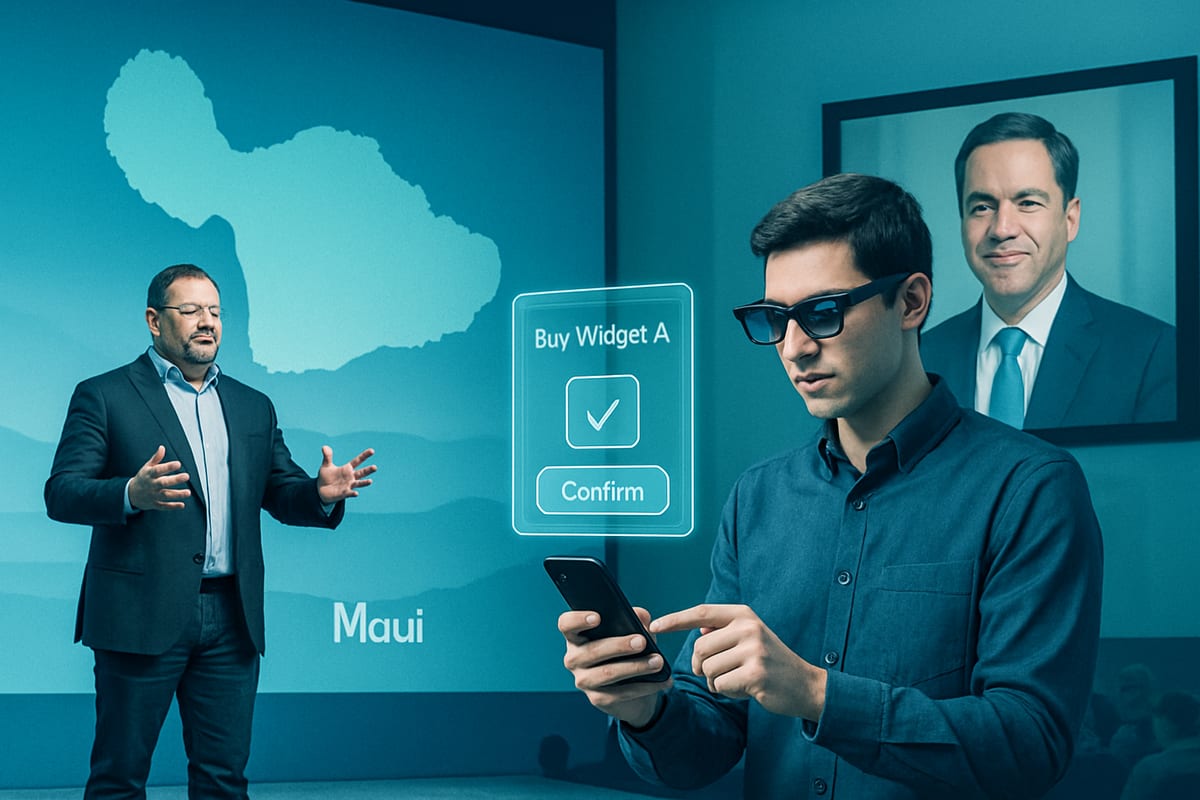
At the Snapdragon Summit, Qualcomm detailed how AI agents could make purchases on behalf of users, with authentication, control, and explicit confirmations. MasterCard joined the discussion, with its CEO appearing via video and a representative on stage. Qualcomm executives acknowledged that adoption will depend on guarantees comparable to those in fraud prevention, and that it will take time.
Guarantees and Dispute Resolution Announced
Dino Bekis emphasized that financial institutions will need to provide a certain level of guarantee and protection to consumers in the event of an erroneous purchase made by an AI agent. In the demonstration, any dispute could theoretically be handled by the credit card company. Francisco Cheng noted that if there is lingering distrust in allowing an agent to manage an entire purchase, a trusted payment provider can step in for that part. He acknowledged that hesitations will persist, while noting that well-known brands manage every step of the proposed process. He also mentioned his own transition from initial skepticism to becoming accustomed to online payments through learning. Bekis compared these expected guarantees to the current management of fraud by institutions.
A Demonstration with Confirmations Before Purchase
About 45 minutes into the presentation, Qualcomm showcased an example of purchases made by an AI agent. A woman wearing smart glasses received a suggestion to repurchase sunscreen and lip balm that she had already bought from a store, then validated the operation and was informed about in-store pickup. She then asked for help finding a laptop, with the agent guiding her to a store displaying several models, including an explicit request for confirmation before the purchase. The sequence included a reminder of credit card reward points after a purchase. Qualcomm emphasizes moments of explicit confirmation before any spending. In a separate demonstration room, the simulation followed three steps: identifying the item, proposing a suggestion to validate, and then completing the purchase.
Le brief IA que les pros lisent chaque soir
Les 7 actus IA du jour, décryptées en 5 min. Gratuit.
Inclus dès l'inscription : notre sélection des meilleurs guides & comparatifs IA.
Choisissez votre rythme
Gratuit · Pas de spam · Désabonnement en 1 clic
The Role Assigned to Payment Networks
Qualcomm aired a video of MasterCard's CEO reassuring the reliability of payments made by AI agents. Michael Miebach reaffirmed that users will only adopt processes deemed trustworthy to secure their payments and data. On stage, Cristiano Amon was joined by Raja Rajamannar, who highlighted the trust placed in well-known brands like MasterCard. In the demonstration conducted by Qualcomm, once the purchase was confirmed, the transaction was transferred to MasterCard for execution.
What Qualcomm Places on the Device
The AI agent described by Qualcomm operates on the user's smartphone. Cristiano Amon stated that the company is developing technologies to protect personal information and secure the device environment. He asserted that the agent must authenticate itself while keeping the user in control and stressed the need to trust both the agent and the terminal for purchases. The proposal explicitly includes agent authentication and a security framework at the device level.
A Still Hypothetical Framework and Gradual Adoption
Cristiano Amon explained how an AI agent could buy on behalf of a user, in a context where the keynote outlined the future role of AI agents on smartphones. The scenario assumes access for these agents to bank accounts or credit cards. Qualcomm has been advocating for years the idea of embedded agents that are sufficiently informed about habits and preferences to decide and, ultimately, spend on necessities, gifts, or travel. It remains to be determined how the agent will decide to make purchases and what the user's level of control will be, a problem recognized as unresolved and a source of concerns related to the misuse of banking information. Qualcomm suggested that agents would regularly verify before any spending. After the keynote, Chris Patrick estimated that consumer trust will take time to establish, and Dino Bekis highlighted the central role of financial institutions. In terms of demonstration, Francisco Cheng showcased a use case while wearing TCL Rayneo glasses, targeting a tourist experience related to a Hawaiian volcano.
Brief IA — L'actualité IA en français
L'essentiel de l'actualité de l'intelligence artificielle, décrypté et expliqué chaque jour.