Suno Tightens Rules Against AI-Generated Music Abuse
Le brief IA que les pros lisent chaque soir
Les 7 actus IA du jour, décryptées en 5 min. Gratuit.
Inclus dès l'inscription : notre sélection des meilleurs guides & comparatifs IA.
Choisis ton rythme
Gratuit · Pas de spam · Désabonnement en 1 clic
Suno Tightens Its Rules Against Abuse of AI-Generated Music
The AI music generator Suno is facing increasing pressure over allegations that it trained on copyrighted works without permission. Songs created with Suno are also in direct competition with music from human artists, prompting the company to take action.
A German court recently ruled that Suno had used copyrighted songs during its training and can reproduce them if the instructions are phrased correctly. The court also determined that the fair use doctrine in the United States does not apply in Suno's case. Prior to this ruling, one of Suno's investors admitted that songs generated with Suno directly compete with music created by human artists. This is significant in fair use cases, which examine whether copyrighted data has been used for new and transformative purposes.
Suno Claims Its Training Approach Promotes Original Music
Suno's co-founder and CEO, Mikey Shulman, outlined four guiding principles and a set of new measures in a blog post. The company states it follows a training strategy called "Original Creation, By Design" aimed at reducing the risk of unauthorized reproductions. More specifically, Suno claims to have deliberately omitted artist names from its training metadata.
The company also clarifies that it has never allowed instructions targeting specific artists or copyrighted songs. Additionally, Suno collaborates with Audible Magic, Musixmatch, and other third-party services to verify uploaded audio files and lyrics to detect potential unauthorized uses.
New Upload Rules Target Mass Distribution
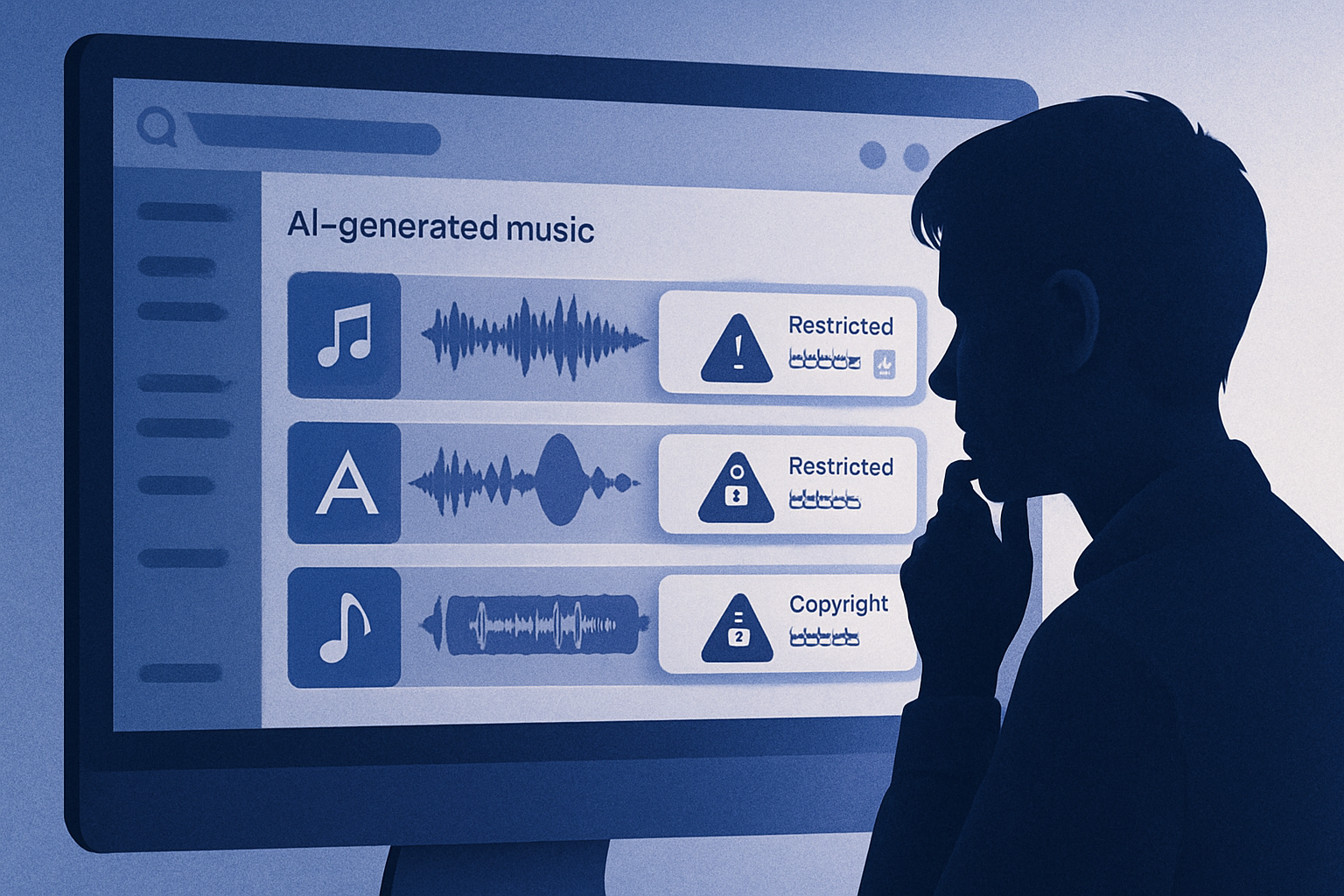
Suno acknowledges that its technology should not be abused to export content on a large scale. Most of the music created on the platform is personal, according to the company. However, it is implementing a new upload policy aimed at limiting the ability to push songs onto streaming platforms en masse.
Most users will not be affected, according to Suno, but large-scale abuses will become much more difficult. The company claims to have announced such a measure last year. In March, a man was convicted after downloading hundreds of thousands of AI-generated songs and fraudulently collecting $8 million in royalties.
The company also plans to add transparency tools based on standards currently emerging in the music industry. These tools will allow other platforms to identify songs created with Suno as being AI-generated.
Alongside these changes, Suno indicates it has made its community guidelines more explicit. The company claims to have always prohibited attempts to reproduce existing songs, uploading material without appropriate rights, and using someone’s voice or image without permission. Its rules also ban spam, fake engagement, bots, and misleading audio content presented as authentic.
Brief IA — L'actualité IA en français
L'essentiel de l'actualité de l'intelligence artificielle, décrypté et expliqué chaque jour.