TikTok and AI: A Threat to Content Creators
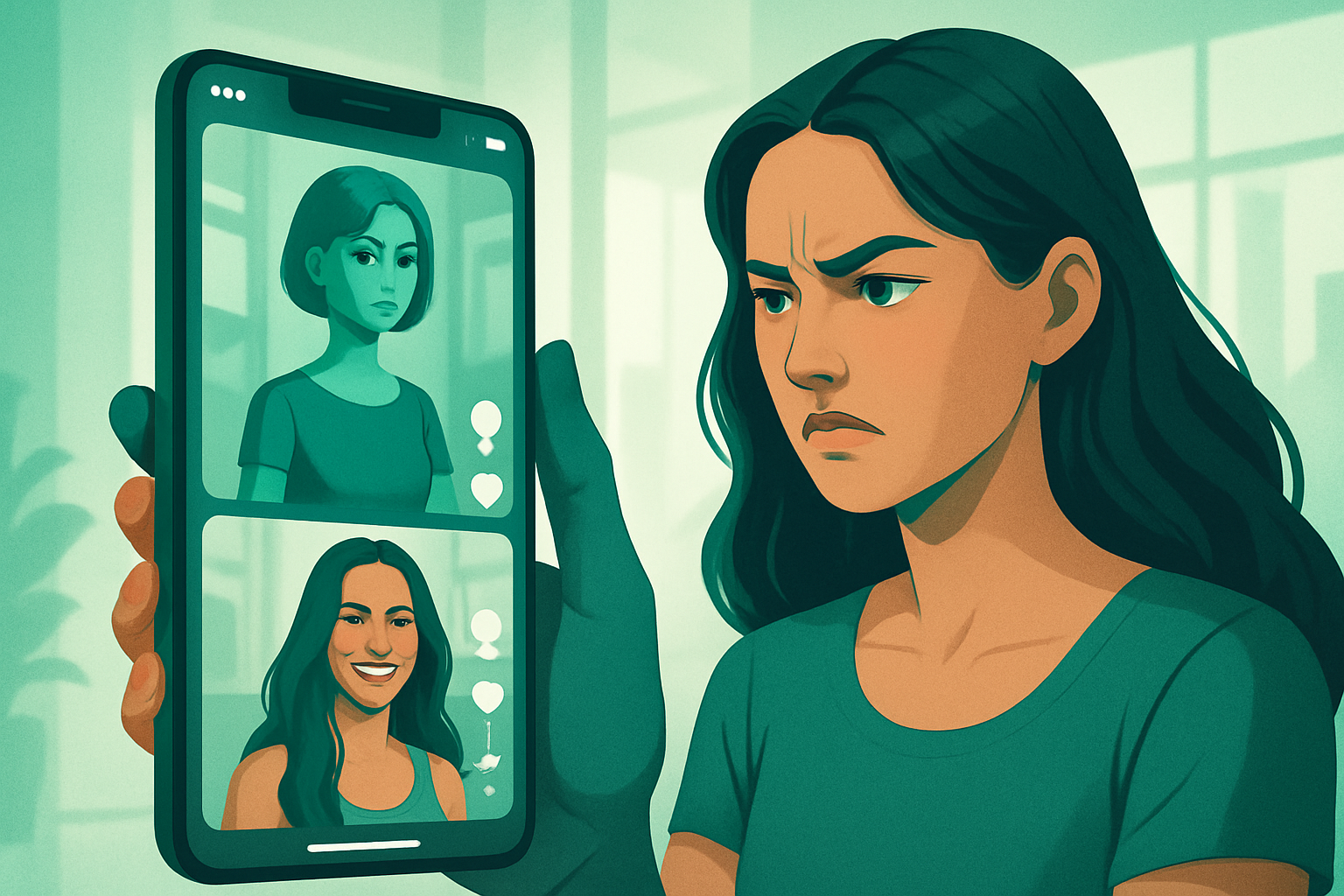
The Rise of Generative AI on TikTok Shop
On TikTok Shop, the use of generative AI by creators and brands to produce videos en masse is rapidly expanding. This technology allows for the automation of content creation, particularly for shopping-focused videos, which primarily serve to promote and sell products. However, despite this automation, AI-generated videos do not always match the impact of content created by human influencers, according to marketing experts.
Content creators on TikTok Shop, often side hustlers, now face increased competition. Brands and TikTok's algorithm are increasingly favoring AI-generated videos, which could threaten creators focused on producing shoppable videos. These creators, who do not enjoy the fame of figures like MrBeast or micro-influencers with a loyal audience, primarily concentrate on selling products.
Their content, while often highly visible—especially during major shopping events like Black Friday and Cyber Monday—is at risk. During these periods, around 10 million shoppable videos are published. Fabian Ouwehand, founder of Socialscale.ai, compares these videos to "little billboards" seen along the roadside.
The Impact of AI on Content and Sales
AI has the ability to replicate and enhance the catchy videos of creators, using similar scripts that highlight flash sales and temporary discounts. These AI-generated videos are increasingly appearing in news feeds, thanks to GMV Max, TikTok's automated advertising system. They can be very profitable: one creator using AI reportedly generated product sales reaching several tens of thousands of dollars, according to a screenshot of their affiliate profile viewed by Business Insider.
The rise of AI-generated posts is gradually transforming the look and experience of TikTok Shop. An employee of TikTok Shop described this phenomenon as a "hot topic" within the company. Some brands are now leveraging AI to recreate multiple versions of a successful influencer post, according to three marketing specialists from Shop. Others use this technology to publish en masse without having to pay creators or send them free samples.
The Challenges and Controversies of Generative AI
The use of synthetic influencers and AI-generated products is spreading on TikTok Shop. However, these AI influencers can elicit negative reactions, prompting some brands to completely avoid generative AI. The Wall Street Journal recently revealed that SharkNinja, a manufacturer of vacuum cleaners and smoothie machines, has banned the use of AI by creators in its affiliate program.
Ashley Wright, CEO of Social Tale, a TikTok Shop agency, explained that some brands are "thrilled" to use AI if it generates more sales, while others are concerned about their reputation. Many brands continue to prioritize human creators with an established audience, especially when it comes to raising awareness about a product rather than making a direct sale.
Le brief IA que les pros lisent chaque soir
Les 7 actus IA du jour, décryptées en 5 min. Gratuit.
Inclus dès l'inscription : notre sélection des meilleurs guides & comparatifs IA.
Choisissez votre rythme
Gratuit · Pas de spam · Désabonnement en 1 clic
Anish Dalal, an executive at Third, a social commerce and marketing company, stated: "We use AI tools to test what works and what doesn't, and then we focus on a real creator for the concepts that work. If it works really well with a synthetic creator, it will work even better with a real creator."
The Mixed Reception of AI by the Public
The main challenge for generative AI on TikTok is that videos often fall into the "uncanny valley," where synthetic characters with computer-generated voices attempt to sell products. For example, one video featured a blonde-haired AI influencer touting the merits of a hoodie by emphasizing the softness and elasticity of its collar.
Other videos on TikTok Shop showcase products being used in unrealistic ways. In a series of posts, synthetic avatars used pressure washers and propane torches to clean driveways, pets, and vents in mere seconds. Even when AI videos are not explicitly labeled, users notice them. "I've never seen green grass burn like that. Stupid AI," commented one user on a video showing a weeded driveway with a propane torch.
The Implications of AI on Quality and Legality
Maintaining the appeal of TikTok's video feed is crucial for its long-term success, especially in the highly competitive U.S. e-commerce sector. Since its launch in the U.S. in 2023, TikTok has become a formidable player in e-commerce, with projected sales exceeding $23 billion this year, according to EMARKETER. However, its sales still lag far behind those of Amazon, which are expected to surpass $500 billion this year. TikTok's main advantage over giants like Amazon or Walmart is its network of influencers.
The quality of the marketplace is difficult to maintain in the age of AI. In November, Nicolas Waldmann, head of TikTok Shop's governance and external affairs team, stated that some dishonest sellers were using generative AI to create fake showcases of non-existent products. AI-generated videos could also pose legal issues for brands selling real products, according to Robert Freund, an attorney specializing in advertising and e-commerce. In addition to misleading viewers about a product's capabilities, the use of synthetic influencers claiming to have used a product could violate a FTC requirement that advertising spokespersons provide "honest opinions" in their testimonials.
Freund added that with AI, "it's much easier to create misleading content on a large scale, intentionally or not." Recently, regulators like the European Union and the State of New York have drafted laws requiring brands to disclose the use of synthetic characters in advertisements. TikTok, which has not responded to requests for comment, states in its seller documentation that generative AI is permitted as long as the videos are labeled, do not misrepresent a product, or imitate a real person, and respect intellectual property rights.
Many major brands may adopt AI-generated videos as the technology improves. "Why spend so much money, time, and effort to get user-generated content when AI can do it for a tenth of the cost?" said Ouwehand from Socialscale.ai. "It's a huge opportunity for businesses."
Brief IA — L'actualité IA en français
L'essentiel de l'actualité de l'intelligence artificielle, décrypté et expliqué chaque jour.