TikTok Expands AI-Generated Face Recognition Worldwide
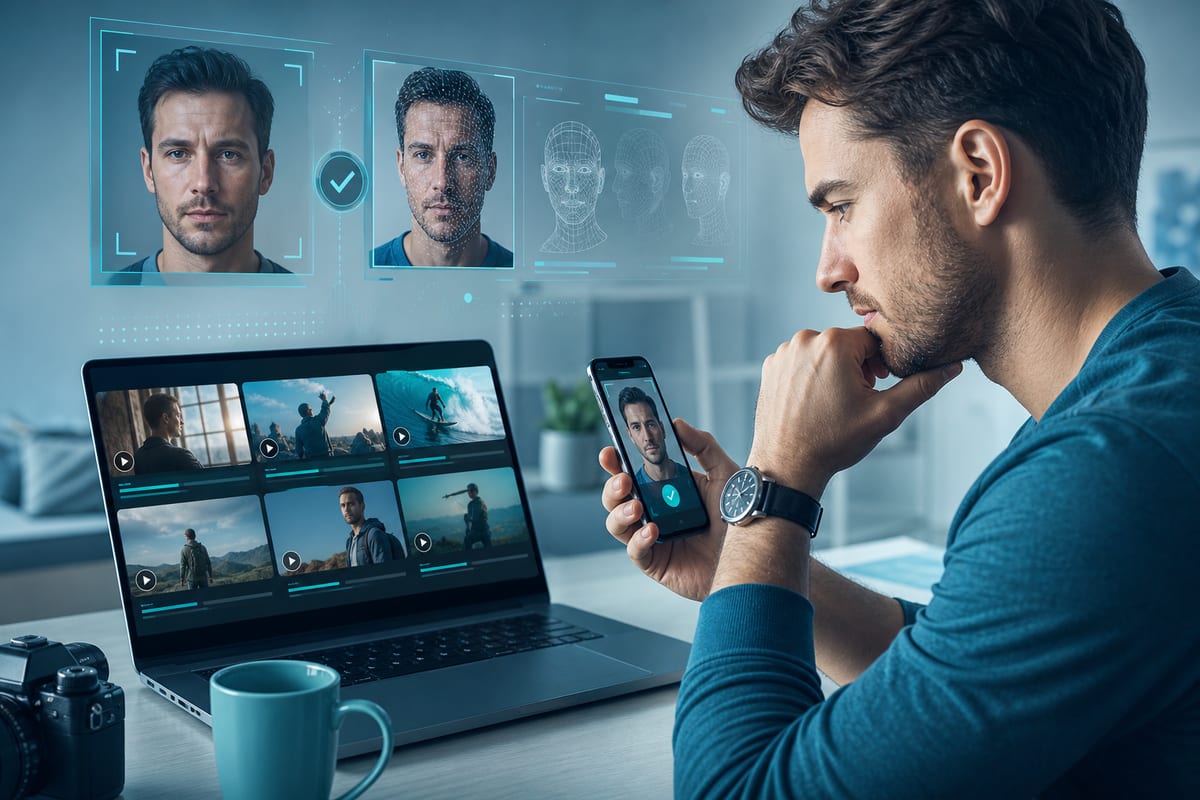
TikTok expands access to its similarity detection system for eligible creators worldwide, aimed at identifying the non-consensual use of their faces in AI-generated videos. The platform also launches a public verifier to identify content created or modified with its own artificial intelligence tools.
Viewers can adjust the role of AI
From fraudulent ads exploiting the images of celebrities to deepfakes of public figures created without their consent, AI-generated fakes have been circulating on TikTok for years. Viewers can now adjust the amount of AI-generated content in their For You feed thanks to a revamped topic management setting. This option complements keyword filters, which, according to the company, are used by 79 million people in the European Union in the first half of 2026.
TikTok removes representations of individuals that violate its rules, whether misleading or non-consensual. The company claims to delete over 99% of content violating its rules before receiving a report. It also states that its systems have already tagged over 5 billion AI-generated videos.
Le brief IA que les pros lisent chaque soir
Les 7 actus IA du jour, décryptées en 5 min. Gratuit.
Inclus dès l'inscription : notre sélection des meilleurs guides & comparatifs IA.
Choisissez votre rythme
Gratuit · Pas de spam · Désabonnement en 1 clic
Creators must verify their identity
For creators, participation in the similarity detection system is voluntary and requires identity verification through a third-party provider. TikTok then informs them of which accounts or videos may use their face; matches can be forwarded to the security teams. The company assures that it deletes identification documents after verification.
Tested with American creators since July, the system is now accessible to eligible creators worldwide, including public figures and political accounts. YouTube launched a similarity detection tool in October 2025 and later expanded access.
The public can search for TikTok markers
Accessible from the Transparency Center, the public verifier does not require a TikTok account. The user submits an image or video: the tool searches for markers related to the use of the platform's AI tools.
This search focuses on two types of traces. TikTok associates its AI productions with C2PA Content Credentials, an industry standard adopted in 2024, but these markers can disappear upon downloading or modification. The verifier also looks for VeraDura, an invisible watermark developed by TikTok, which the company claims is much harder to erase.
Brief IA — L'actualité IA en français
L'essentiel de l'actualité de l'intelligence artificielle, décrypté et expliqué chaque jour.