Tyler Shultz: AI, an Opportunity to Deceive Investors
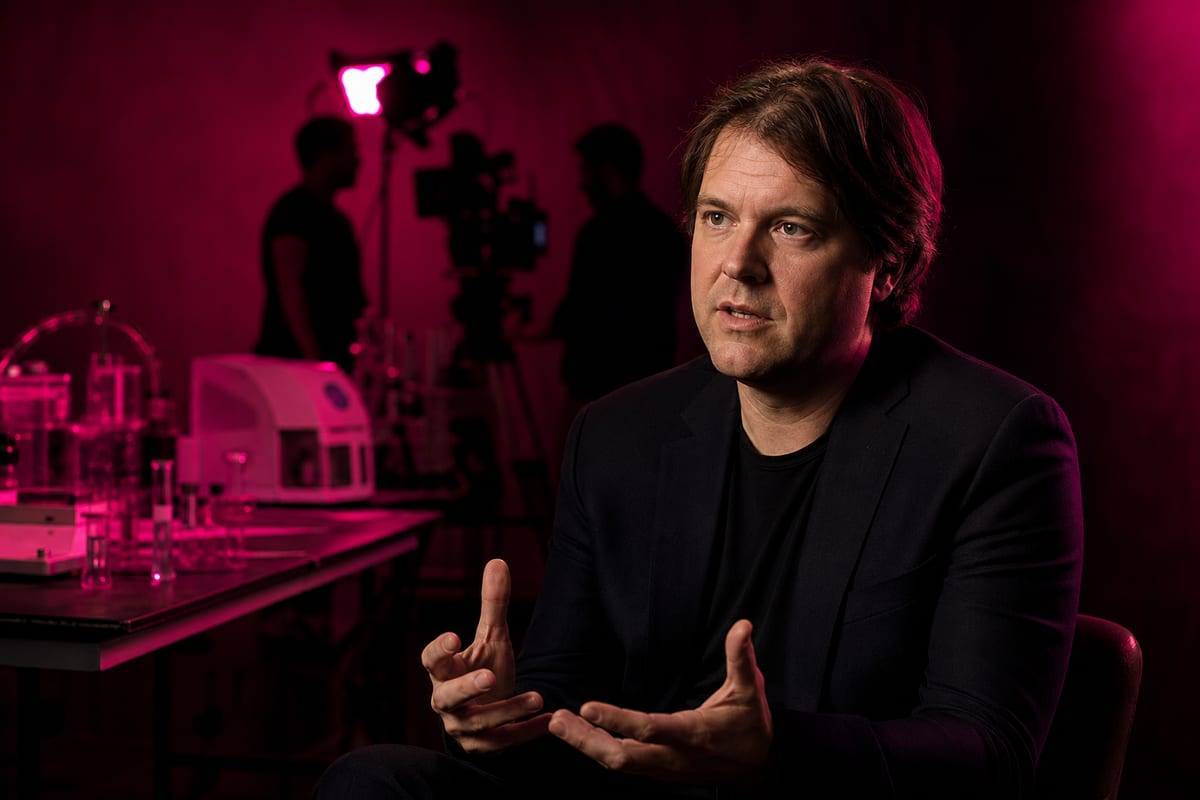
The Theranos whistleblower, Tyler Shultz, believes that AI makes due diligence difficult and presents "a great opportunity" for those looking to deceive. His warnings resonate with the methods that kept safeguards at bay around Theranos, while Elizabeth Holmes serves a sentence of over eleven years, is the subject of a documentary, and is working on a new company, Haemanthus.
Shultz describes challenging due diligence in AI and a breeding ground for abuse
Tyler Shultz argues that conducting due diligence on AI companies is very challenging. He claims it is hard to distinguish what is truly unique from mere ChatGPT dressing. According to him, AI represents a significant opportunity to deceive people. He fears that in the age of AI, investors may forget the lessons learned from past scandals regarding checks. Shultz believes that practices involving $100,000 investments after just a thirty-minute coffee should no longer exist. He adds that Elizabeth Holmes pushed this model to $100 million. He estimates that she raised the largest angel funding round ever seen and reminds us that allocating such sums grants immense power. Meanwhile, it is suggested that unprofitable companies today are raising at valuations in the trillions of dollars. George Shultz, Tyler Shultz's grandfather and a former high-ranking U.S. official, had himself served on the board and invested in Theranos.
Theranos circumvented scrutiny: invoked secrets and private investor money
Theranos' funding often came from individual investors, including the DeVos and Walton families, rather than venture capital firms. The company did not share scientific information or proof of functionality with potential investors, citing the protection of trade secrets. This opacity kept many top Silicon Valley venture capitalists at bay. However, Theranos reached a valuation nearing $10 billion. The technology developed was never truly operational, as the company only used its own devices for a minority of tests, relying on equipment from other manufacturers for the majority. Nonetheless, the devices were installed at Walgreens and provided real patients with inaccurate results. When the fraud was revealed, the episode was seen as a signal to investors to strengthen due diligence.
Le brief IA que les pros lisent chaque soir
Les 7 actus IA du jour, décryptées en 5 min. Gratuit.
Inclus dès l'inscription : notre sélection des meilleurs guides & comparatifs IA.
Choisissez votre rythme
Gratuit · Pas de spam · Désabonnement en 1 clic
Holmes in prison, successful documentary, and new project Haemanthus
Elizabeth Holmes is incarcerated in a federal prison and is serving a sentence of over eleven years. A documentary, You Can See Everything, directed by Nathan Fielder and Lance Oppenheim, chronicles her final days before incarceration and is among the most profitable documentaries. The film refuses to portray her as a manipulative genius or a victim and highlights her ability to evoke pity despite the knowledge of her crimes. Tyler Shultz asserts that if Elizabeth Holmes is still being talked about, it is because she wants it. In this film, Holmes appears with her partner Billy Evans, a hotel heir, working on Haemanthus, a diagnostic company they refer to as "Theranos 2.0," which has reportedly raised around $20 million. It is also reported that the documentary glosses over certain misdeeds, such as the communication of dangerously false medical information to patients, and targeted harassment faced by Tyler Shultz when he alerted about Theranos. In public opinion, Holmes remains more of a subject of mockery than a persona non grata. Tyler Shultz expresses concern about what comes next and believes that Elizabeth Holmes is preparing a "second act," without knowing where it will lead.
Brief IA — L'actualité IA en français
L'essentiel de l'actualité de l'intelligence artificielle, décrypté et expliqué chaque jour.