MIT: Superposition Boosts Giant AI Models
Le brief IA que les pros lisent chaque soir
Les 7 actus IA du jour, décryptées en 5 min. Gratuit.
Inclus dès l'inscription : notre sélection des meilleurs guides & comparatifs IA.
Choisis ton rythme
Gratuit · Pas de spam · Désabonnement en 1 clic
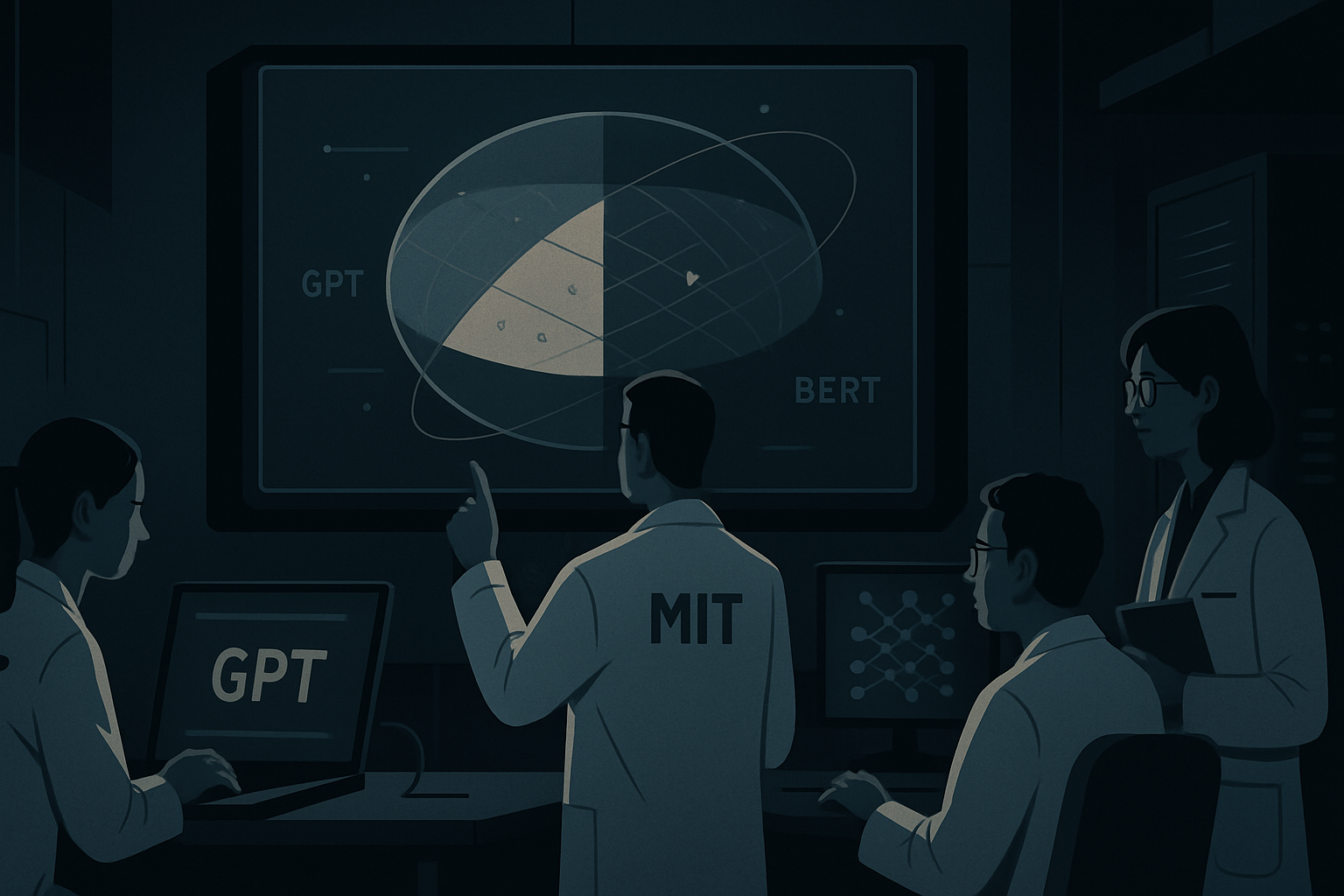
Recent advancements in the field of language models have captivated the attention of researchers and tech companies. A recent study from MIT has highlighted a crucial phenomenon, superposition, which could explain why models like GPT and BERT become more effective as their size increases. This discovery could transform our understanding of the mechanisms of artificial intelligence.
Superposition: A Major Technical Asset
MIT researchers have found that superposition allows large language models to process complex information more efficiently. This concept refers to the models' ability to overlay data representations, enabling them to simultaneously manage multiple tasks. The study showed that increasing a model's size enhances its ability to generalize and adapt to new contexts. For instance, models with several billion parameters have demonstrated significantly superior performance in natural language processing tasks, such as translation and text generation, compared to their smaller counterparts.
Implications for the AI Sector
This discovery has significant implications for the artificial intelligence sector. A better understanding of superposition could enable researchers and engineers to design even more powerful and efficient models. It could also influence the investment strategies of tech companies like Google and OpenAI, which may allocate more resources to research on model size and structure to maximize their potential. Furthermore, this advancement could encourage the emergence of new players capable of competing with current leaders by offering innovative solutions based on these findings.
Reactions and Future Perspectives
Reactions to this study are varied. Many experts view this advancement as a crucial step in understanding language models. However, some highlight the ethical and regulatory challenges associated with increasing the power of AI models. The question of transparency and explainability of decisions made by these systems is becoming increasingly pressing. Regulators may be prompted to establish strict standards to govern the use of these technologies to avoid potential abuses.
Future prospects are promising. By integrating the principles of superposition into the development of new models, even more sophisticated AI systems could emerge. This could pave the way for revolutionary applications across various fields, from healthcare to education to financial services.
In summary, the MIT study on superposition in language models represents a major issue for the future of artificial intelligence. Understanding this phenomenon could not only improve the performance of existing models but also transform how we conceive and use AI in our daily lives. The implications of this research deserve particular attention from both researchers and decision-makers, as they could shape the technological landscape of the coming years.
Brief IA — L'actualité IA en français
L'essentiel de l'actualité de l'intelligence artificielle, décrypté et expliqué chaque jour.