Brown University: AI Uncovers Massive Cheating
Le brief IA que les pros lisent chaque soir
Les 7 actus IA du jour, décryptées en 5 min. Gratuit.
Inclus dès l'inscription : notre sélection des meilleurs guides & comparatifs IA.
Choisis ton rythme
Gratuit · Pas de spam · Désabonnement en 1 clic
Roberto Serrano's Warning on Digital Cheating
Roberto Serrano, a professor at Brown University, recently expressed his concerns to Business Insider about how easily students can now cheat using artificial intelligence. According to him, the cost of cheating has become virtually zero. This observation stems from an analysis of his students' results, where he noted a significant drop in grades between a take-home midterm exam and an in-person final exam. Serrano strongly suspects that AI was used by students to cheat on the take-home exam. "This is certainly a wake-up call for professors," he stated.
Revelatory Exam Results
The exam results showed striking disparities. Some students achieved perfect scores on the midterm but dropped to below 20% on the final exam. This difference was particularly pronounced in Serrano's class, where the midterm results, conducted at home, were abnormally high. In response to his suspicions of widespread cheating, Serrano decided to administer the final exam in person, which revealed a drastic decline in grades.
Context of Teaching and Exams
Serrano, who teaches welfare economics and social choice theory, had to organize the take-home midterm exam following a tragic incident on campus in December, where a shooter killed two students. He emphasized that current technology makes cheating extremely easy for students, who may be tempted to use it to improve their results.
Student Reactions and Consequences
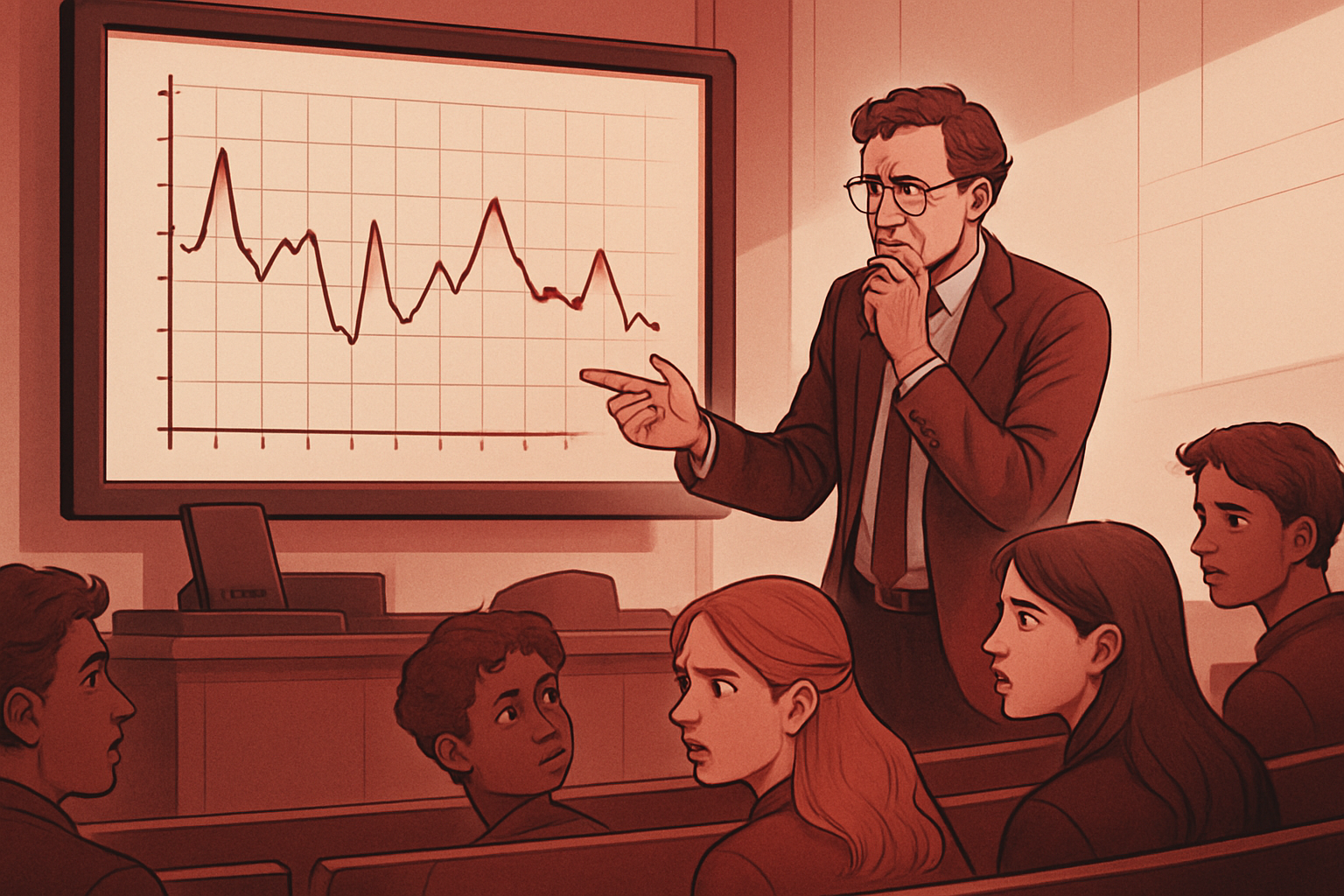
When Serrano announced that the final exam would be in person, many students who had performed well on the midterm decided to drop the course. Among those who persisted, some saw their scores drop from 90 to 50. A graph published by Inside Higher Ed illustrates these variations in grades.
University Response and Media Interest
Brian E. Clark, Brown's vice president for news and strategic communication, confirmed that Serrano shared his observations with the university's standing committee on academic integrity on July 8. This committee is currently conducting its investigations. The case has attracted attention online, including from Paul Graham, co-founder of Y Combinator, and members of Google DeepMind.
Serrano's Reactions and Reflections
Serrano was surprised by the extent of the interest generated by this issue. He received numerous emails, including from former Brown students. Some commentators praised a student who maintained high grades, while others lauded a student who persisted despite lower results.
Debates on Integrity and the Future
Tom Henke, founder of Glass AI, also commented on the score graph. The debate has expanded to include questions about the reliability of students who use AI to cheat. Some believe that those who maintain consistent scores are more trustworthy for the job market. Serrano shares this view and stated that he would gladly hire an honest student.
Perspectives for Education
Professors continue to seek ways to counteract AI-facilitated cheating. Some educators have already begun designing more complex assignments that are difficult to complete with a chatbot. While Serrano's grade distribution is not definitive proof of cheating, it highlights the challenges posed by AI in the educational field.
A Call for Vigilance
Serrano has decided to no longer conduct take-home exams and to eliminate assignments from his evaluations. He encourages his colleagues to review their policies regarding AI, insisting that this incident should serve as a wake-up call for all educators.
Brief IA — L'actualité IA en français
L'essentiel de l'actualité de l'intelligence artificielle, décrypté et expliqué chaque jour.