Utah Allows AI to Prescribe Acne Treatment Under Supervision
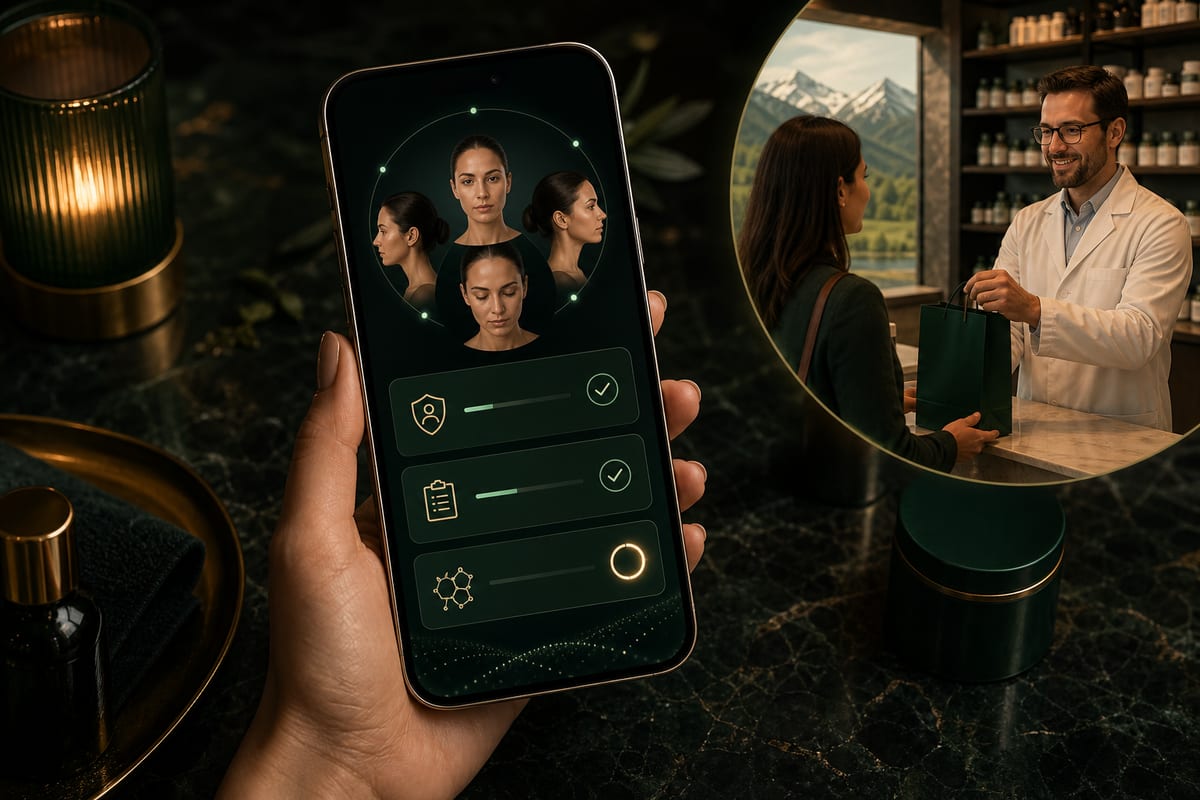
Nolla Derm, an AI application approved by Utah to treat acne, can issue prescriptions without an appointment. The authorization comes with a three-step protocol, medical exclusions, and goals for alignment with physicians, as access to care becomes strained in the United States as well as in France.
Automated Prescriptions with Clinical Filters and Quantified Goals
Prescriptions are not issued to certain patients: pregnant women, severe forms of acne, and situations outside the scope are excluded and redirected to traditional care. The application does not use a chatbot and relies on strict topical protocols, pre-approved by clinicians. The framework requires at least a 95% concordance rate between the AI's decisions and those of physicians, the absence of serious incidents, and written state approval at each step. The project follows a three-step process with these safeguards. Acne was chosen because it is presented as a well-defined and low-risk area, supported by extensive clinical evidence.
Authorization in Utah and Gradual Supervised Deployment
Utah allows an artificial intelligence to prescribe medications for acne within the Nolla Derm service. The first step involves 100 patients, with independent double review by two physicians of each generated prescription before sending. The second step expands to 500 individuals and entrusts the direct issuance of prescriptions to the application, while a physician reviews all records retrospectively at least once a week. In the third phase, practitioners review a random sample corresponding to 10% of monthly prescriptions. At each stage, the startup is required to obtain written state approval, ensure the complete absence of serious incidents, and maintain a concordance rate of at least 95% between the artificial intelligence and physicians.
Le brief IA que les pros lisent chaque soir
Les 7 actus IA du jour, décryptées en 5 min. Gratuit.
Inclus dès l'inscription : notre sélection des meilleurs guides & comparatifs IA.
Choisissez votre rythme
Gratuit · Pas de spam · Désabonnement en 1 clic
Patient Journey and Logistics: From Registration to Dispensing
The service, available on mobile, targets acne and offers the delivery of a personalized treatment. Registration includes identity verification and a basic health questionnaire, followed by a scan of the face from five angles. In 10 to 15 minutes, the algorithm analyzes the images and produces a treatment plan with a prescription if necessary. Medications can be delivered to the home or picked up at a pharmacy. The subscription starts at $4.99 per month, while an in-person consultation can reach up to $300 according to the startup.
Care Shortage: Statistics in the United States and France
Nolla Health estimates that over 80% of American counties are affected by medical deserts, amounting to 120 million people. In Utah, the average wait time to get an appointment is 61 days, and eleven counties have no dermatologist, according to the company. In France, 87% of the territory has an insufficient density of general practitioners. Between 6 and 8 million residents live in a medical desert, and more than 6 million people do not have a primary care physician, including over 400,000 with a long-term condition. Wait times for dermatology appointments average between 60 to 90 days, potentially extending to several months in rural areas, leading to overcrowded emergency rooms and delayed diagnoses.
Brief IA — L'actualité IA en français
L'essentiel de l'actualité de l'intelligence artificielle, décrypté et expliqué chaque jour.