Vibe Coding: The Illusion of a Revolution Without Developers
Le brief IA que les pros lisent chaque soir
Les 7 actus IA du jour, décryptées en 5 min. Gratuit.
Inclus dès l'inscription : notre sélection des meilleurs guides & comparatifs IA.
Choisis ton rythme
Gratuit · Pas de spam · Désabonnement en 1 clic
The Mirage of Vibe Coding in 2026
In 2026, the term "vibe coding" emerges as the must-know buzzword, heralding a revolution in software development. This concept, which promises dazzling successes without traditional constraints, captures the attention of the media and entrepreneurs alike.
Stories of one-person startups, created over a weekend thanks to "vibe coding," are circulating widely online. These companies, supposedly without the need for technical teams, generate millions in record time. The idea is simple: with a good prompt and a high-performing artificial intelligence model, anything becomes possible.
The Impact of AI Models on the Industry
Every launch of an artificial intelligence model by giants like OpenAI, Anthropic, Google, or xAI becomes a major media event. These announcements attract millions of views and trigger chain reactions. The U.S. government's ban on Anthropic's Claude Fable 5 model even generated a lot of ink, creating the impression of unintended publicity for the brand.
The Contrasting Reality of AI-Assisted Development
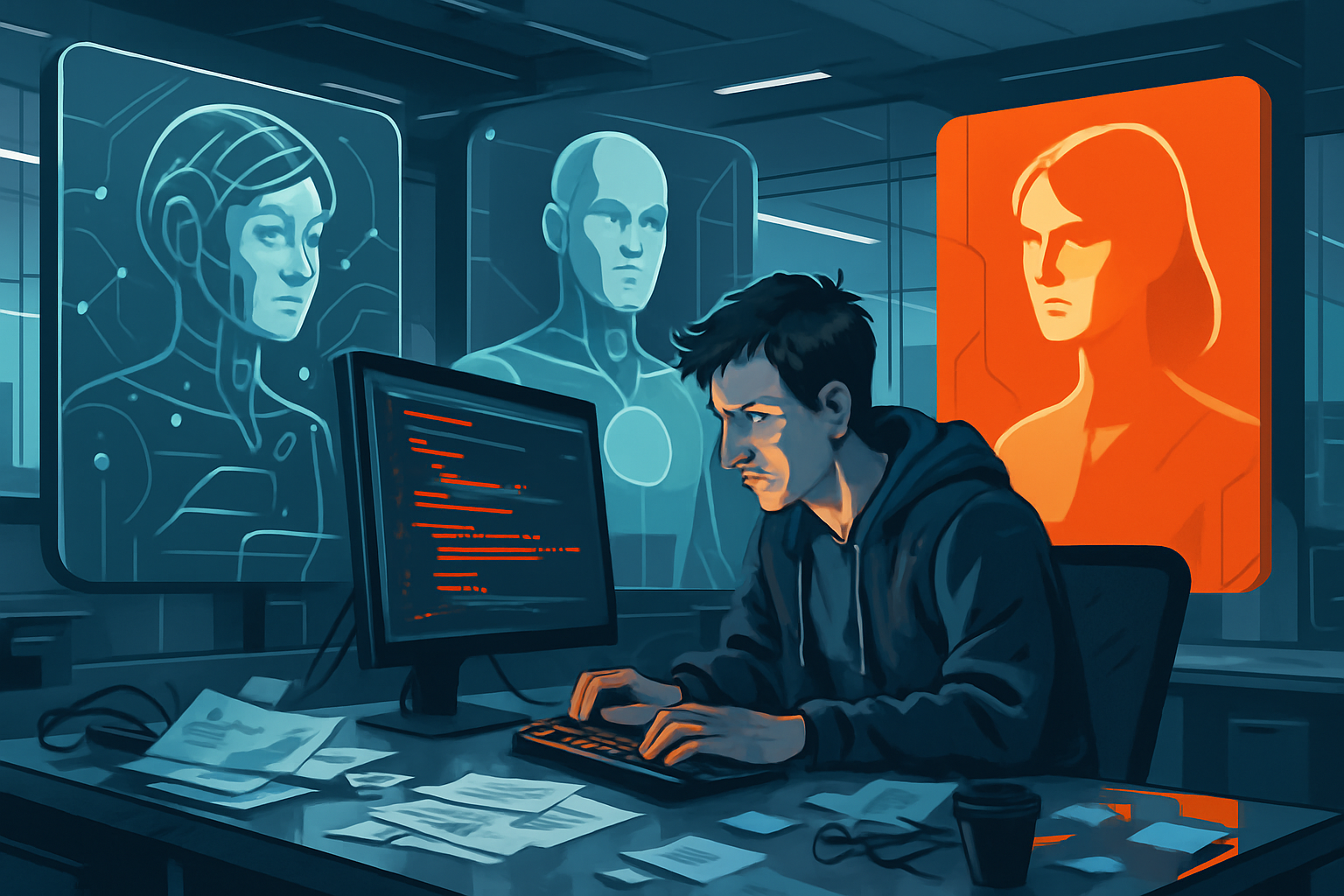
Despite the excitement, the reality of product development with the help of AI is far from idyllic. The image of a clean and quick process does not align with the complexity and chaos often encountered in the industry. Promises to replace junior engineers with AIs face the practical challenges of software development.
Thus, while "vibe coding" may be enticing, it masks a much more nuanced reality, where human expertise remains essential to navigate the complexities of technological development.
Brief IA — L'actualité IA en français
L'essentiel de l'actualité de l'intelligence artificielle, décrypté et expliqué chaque jour.