Anthropic Introduces Invisible Watermark for AI Act
Le brief IA que les pros lisent chaque soir
Les 7 actus IA du jour, décryptées en 5 min. Gratuit.
Inclus dès l'inscription : notre sélection des meilleurs guides & comparatifs IA.
Choisis ton rythme
Gratuit · Pas de spam · Désabonnement en 1 clic
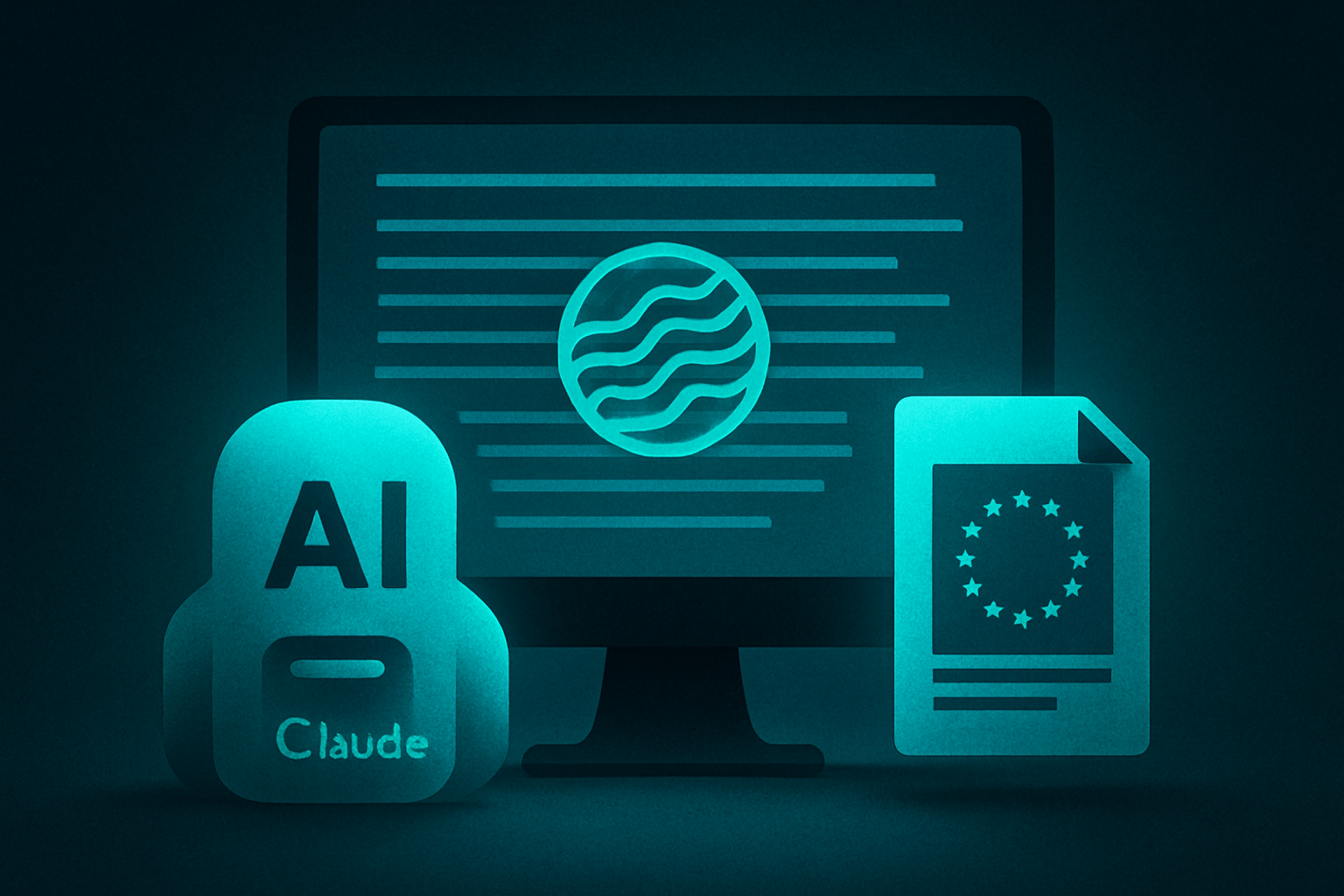
Anthropic, an artificial intelligence research company, recently announced the integration of an invisible watermark in the texts generated by its language model, Claude. This initiative aims to comply with the transparency requirements imposed by the AI Act, a European regulation that came into effect on August 2, 2023. This development underscores the growing importance of regulations in the tech sector, particularly regarding the use of artificial intelligence.
Technical details or key figures
The invisible watermark used by Anthropic functions as a digital marker embedded in the generated texts, allowing for the identification of the content's origin. This system relies on sophisticated algorithms that ensure that even if the text is modified or rephrased, the watermark remains detectable. This represents a significant advancement in the fight against misinformation and plagiarism, major concerns in the AI field. By integrating this technology, Anthropic positions itself as a responsible player, ready to address the challenges posed by the increasing use of language models.
Impact / consequences for the sector
The AI Act, which regulates the use of artificial intelligence in Europe, imposes strict standards for transparency and accountability. By integrating an invisible watermark, Anthropic not only complies with legislation but also influences the sector by encouraging other companies to adopt similar practices. This initiative could set a precedent, pushing market players to develop innovative solutions to ensure the traceability of AI-generated content. Furthermore, it could also enhance user trust in AI technologies, assuring them of a certain level of security regarding the origin of the information they consume.
Reactions or perspectives
Reactions to this initiative from Anthropic are varied. On one hand, technology and legal experts praise this move as a step forward towards a more ethical use of AI. On the other hand, some critics point out that the effectiveness of an invisible watermark will depend on its ability to withstand attempts at circumvention. Additionally, the implementation of such systems could incur extra costs for companies, which might hinder innovation in the sector. However, most stakeholders seem to agree that transparency is essential for the future of AI.
Looking ahead, it is likely that other companies will follow Anthropic's example by integrating similar mechanisms to comply with regulatory requirements. This could also prompt governments to strengthen existing regulations by incorporating even stricter transparency requirements.
The current situation highlights a major challenge for the tech sector: how to reconcile innovation with regulatory compliance. As regulations continue to evolve, it will be crucial to monitor how companies adapt and what new technologies emerge to meet these challenges. Anthropic's initiative could very well be a turning point in how AI is perceived and used, both by businesses and consumers.
Brief IA — L'actualité IA en français
L'essentiel de l'actualité de l'intelligence artificielle, décrypté et expliqué chaque jour.