Flock Safety: Mass Surveillance Under Pressure
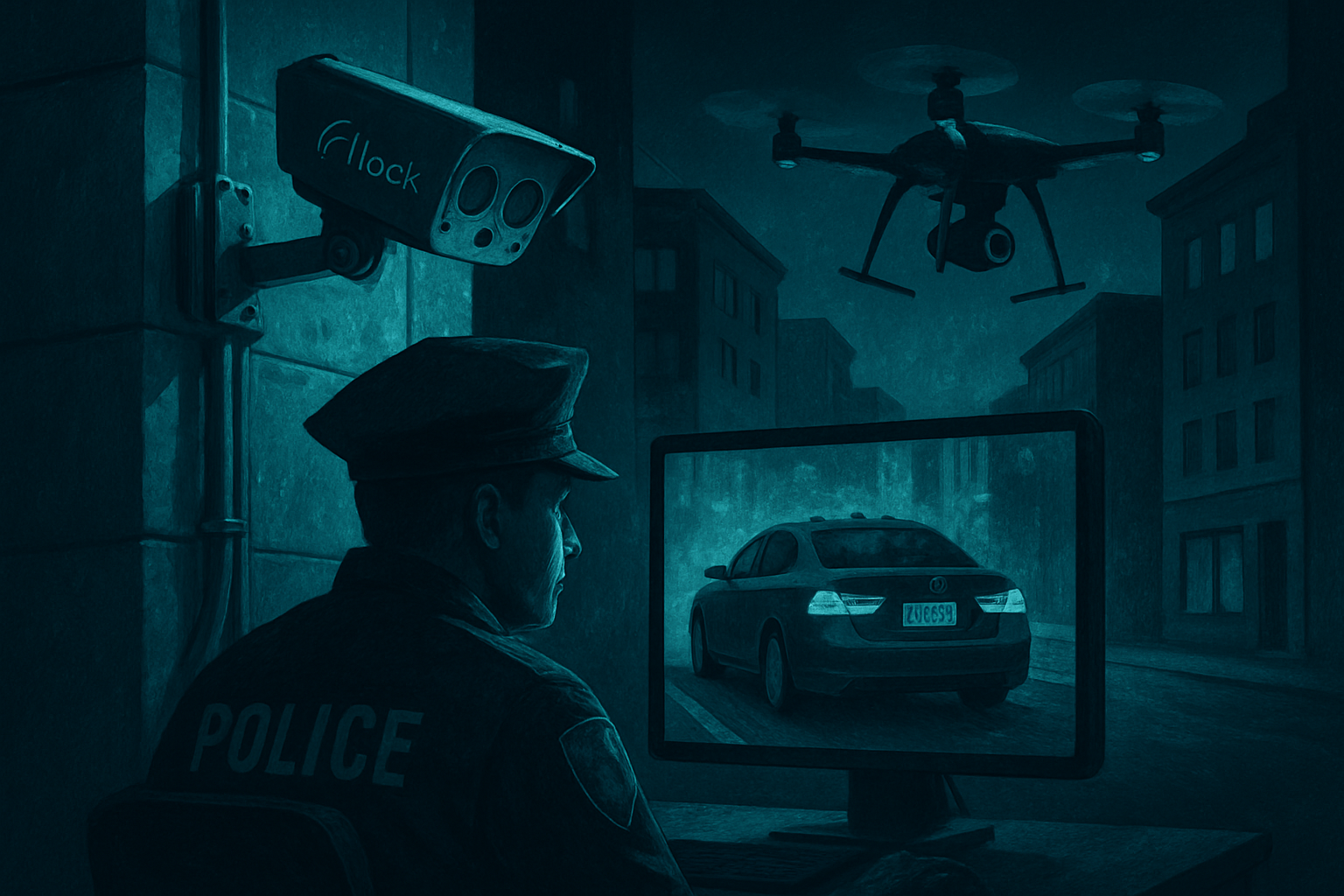
When Flock Safety Moves into Your City
In the United States, a multitude of cities have adopted Flock Safety surveillance systems, which use artificial intelligence-based license plate detection cameras. These devices are often installed in collaboration with local law enforcement. However, some cities, such as Bend in Oregon and Los Angeles, have begun to question these partnerships. Some municipalities are even going so far as to cover the cameras with plastic bags to ensure they are no longer operational. This situation raises questions about the impact of installing these cameras in neighborhoods.
Flock Safety made headlines late last year during widespread crackdowns by U.S. Immigration and Customs Enforcement (ICE). Although Flock does not have a direct partnership with federal agencies, law enforcement agencies are free to share data with departments like ICE, and they do so frequently. The coverage of Flock Safety, along with citizen concerns, has only increased since then.
A study by the Center for Human Rights at the University of Washington revealed that at least eight law enforcement agencies in Washington shared their Flock data networks directly with ICE in 2025, and ten other departments allowed covert access to ICE without explicitly granting permission to the agency. Many other reports describe similar activities.
The Controversies Surrounding Flock and Ring
After advertisements during the Super Bowl about finding lost dogs, Flock came under fire regarding its planned partnership with Ring, Amazon's security brand. The integration would have allowed police to request the use of Ring-branded home security cameras for investigations. Following a strong public backlash, Ring severed its ties with Flock, as did my city, although it now faces a new lawsuit over its own facial recognition systems.
The Implications of Flock's Installation
The presence of Flock means license plate cameras—and today, much more. If you hear that Flock is moving near you, it generally means the installation of ALPR (Automatic License Plate Recognition) cameras to capture images of license plates and monitor cars on the street.
Flock signs contracts with a wide range of entities, including municipal governments and police departments. A neighborhood can also partner with Flock—for example, if a homeowners' association decides it wants extra eyes on the road, it can choose to use Flock's systems.
When Flock secures a contract, the company installs cameras at strategic locations. Although these cameras are primarily marketed for license plate recognition, Flock states on its website that its surveillance system is intended to reduce crime, including property crimes such as mail and package theft, burglaries, vandalism, trespassing, and theft. The company also claims it frequently solves violent crimes such as assaults, kidnappings, shootings, and homicides.
Le brief IA que les pros lisent chaque soir
Les 7 actus IA du jour, décryptées en 5 min. Gratuit.
Inclus dès l'inscription : notre sélection des meilleurs guides & comparatifs IA.
Choisissez votre rythme
Gratuit · Pas de spam · Désabonnement en 1 clic
Flock has recently expanded its scope to other technologies, including advanced cameras that monitor more than just vehicles. Flock drones, equipped with high-powered cameras, are particularly concerning. Flock's "Drone as First Responder" platform automates drone operations, including their launch in response to 911 calls or gunfire. Flock's drones, which can reach speeds of up to 60 mph, can track vehicles or individuals and provide information to law enforcement.
How Flock Uses Technology to Identify Cars—and People
Flock has evolved from cameras to drones, which involves a greater capacity to track people as well as cars. Flock states on its website that its standard license plate cameras technically cannot track vehicles but only take an image "at a given moment" of a car to capture the license plate.
However, thanks to AI video and image research, contracted parties like local law enforcement can use these tools to reconstruct plate information and establish their own timeline of where and when a vehicle was located. Additionally, Flock has also told Forbes that it is making efforts to expand access to video clips and live streams.
Flock's machine learning can also note details such as the body type of a vehicle, its color, the condition of the license plate, and a wide variety of identifiers, such as roof racks, paint colors, and what you have in your trunk. Flock rarely calls this AI, but it is similar to the AI recognition features found in the latest home security cameras.
A Flock spokesperson told me that the company has limits and does not use facial recognition: "We have more traditional video cameras that can send an alert when they detect a person in the frame, for example, in a business park at 2 a.m. or in public parks after dark."
Flock and the Management of Collected Data
Flock's security practices are solid, but it is the users of the company that concern me. Flock states in its privacy and ethics guide that license plate numbers and vehicle descriptions are not personal information. The company claims it does not monitor "private data"—only cars and general descriptive markers.
However, vehicle information can be considered personal as it is legally tied to the vehicle owner. Privacy laws, including proposed federal legislation for 2026, prohibit the disclosure of personal information from motor vehicle records to protect citizens.
However, these laws generally include exemptions for legal actions and law enforcement, sometimes even for private security companies. AI detection also plays a role. When a person can identify a vehicle through searches like "red truck with a dog in the back," this tracking goes beyond basic license plates to include much more personal information about the driver and their life.
Flock's practices—such as its recent push for live video streams and drones to track suspects—move out of the gray area, and this is where privacy advocates are rightly concerned. Despite its policy, it seems possible to track specific individuals using Flock technology. It just requires paying more to do so, such as moving from ALPR to Flock's suspect tracking drone program, or using its Freeform tool to track someone by the clothes they are wearing.
Brief IA — L'actualité IA en français
L'essentiel de l'actualité de l'intelligence artificielle, décrypté et expliqué chaque jour.