Interaxon Claims to Have Trained an AI on 50,000 Hours of EEG Data
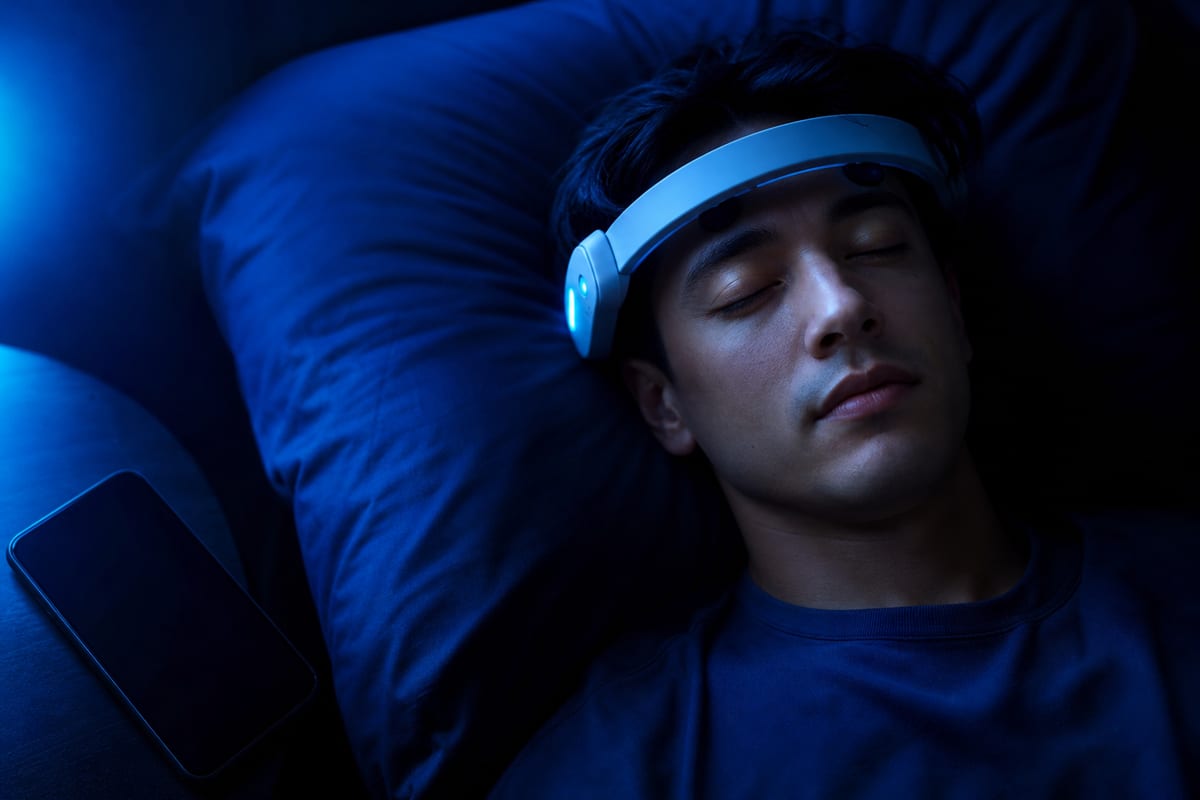
Interaxon, the Canadian manufacturer of the Muse headband, claims to have used approximately 50,000 hours of EEG data to train its AI model. The company clarified this usage after initial training sessions, following inquiries from journalists. Consent and the fate of the recordings also concern other neurotechnology manufacturers.
Consent and Data Deletion
The CNIL reminds us that consent granted for an initial use does not automatically cover the training of an AI. For users of EEG headbands, key points to verify include the destination of the recordings, their potential use in learning, and the modalities for exercising rights. Beyond these devices, the use of medical data by Doctolib for AI research also raises a debate about informing individuals and their ability to object.
Removing an email address or substituting an identifier for a name provides partial protection, but pseudonymization does not equate to anonymization. An identity can sometimes be traced through cross-referencing. Once the data is used for training, its deletion does not necessarily erase the influence it has had on the model.
Interaxon and Emotiv's Practices
For a year, journalists studied the privacy policies of 57 companies offering neurotechnologies to the public: four had none, while eleven only covered visitors to their websites. This finding does not allow us to conclude that all are training AIs with customer data. However, nine players have publicly acknowledged developing a fundamental brain model. Journalist Jonathan Moens' investigation was published on November 5, 2026.
Le brief IA que les pros lisent chaque soir
Les 7 actus IA du jour, décryptées en 5 min. Gratuit.
Inclus dès l'inscription : notre sélection des meilleurs guides & comparatifs IA.
Choisissez votre rythme
Gratuit · Pas de spam · Désabonnement en 1 clic
Interaxon claims to remove direct identifiers from recordings, including names and email addresses. However, its privacy policy did not clearly mention AI training. After inquiries from journalists, its terms of use specified that the data could be used to improve machine learning models, including fundamental models. Emotiv, which also manufactures EEG headsets, uses some data from its high-end devices. After being questioned, the company clarified in its health data documentation that training the "Large Brain Model" from pseudonymized data requires explicit consent.
Muse captures brain electrical signals using EEG sensors to assist with sleep tracking or meditation. In Leicester, UK, Adnan Jinnah, who struggles with sleep, has been using this headband for several years. Upon waking, his app helps him identify the effects of stress or certain medications on his nights. While some recordings from these devices do contribute to AI learning, there is no evidence to establish that his recordings are among them.
A Pilot Trial on Epileptic Seizures
According to the Cleveland Clinic, a model developed with Piramidal identified nine out of ten epileptic seizures during a retrospective pilot trial. This result does not guarantee effectiveness for all patients. Models trained on numerous EEGs could be adapted for sleep monitoring or detecting certain neurological anomalies.
These possibilities do not mean that a headband reads thoughts. An electroencephalogram collects electrical signals that can be analyzed by an AI, without spontaneously converting an intimate thought into readable text.
Brief IA — L'actualité IA en français
L'essentiel de l'actualité de l'intelligence artificielle, décrypté et expliqué chaque jour.