AI Disrupts Law: Opportunities and Challenges for Lawyers
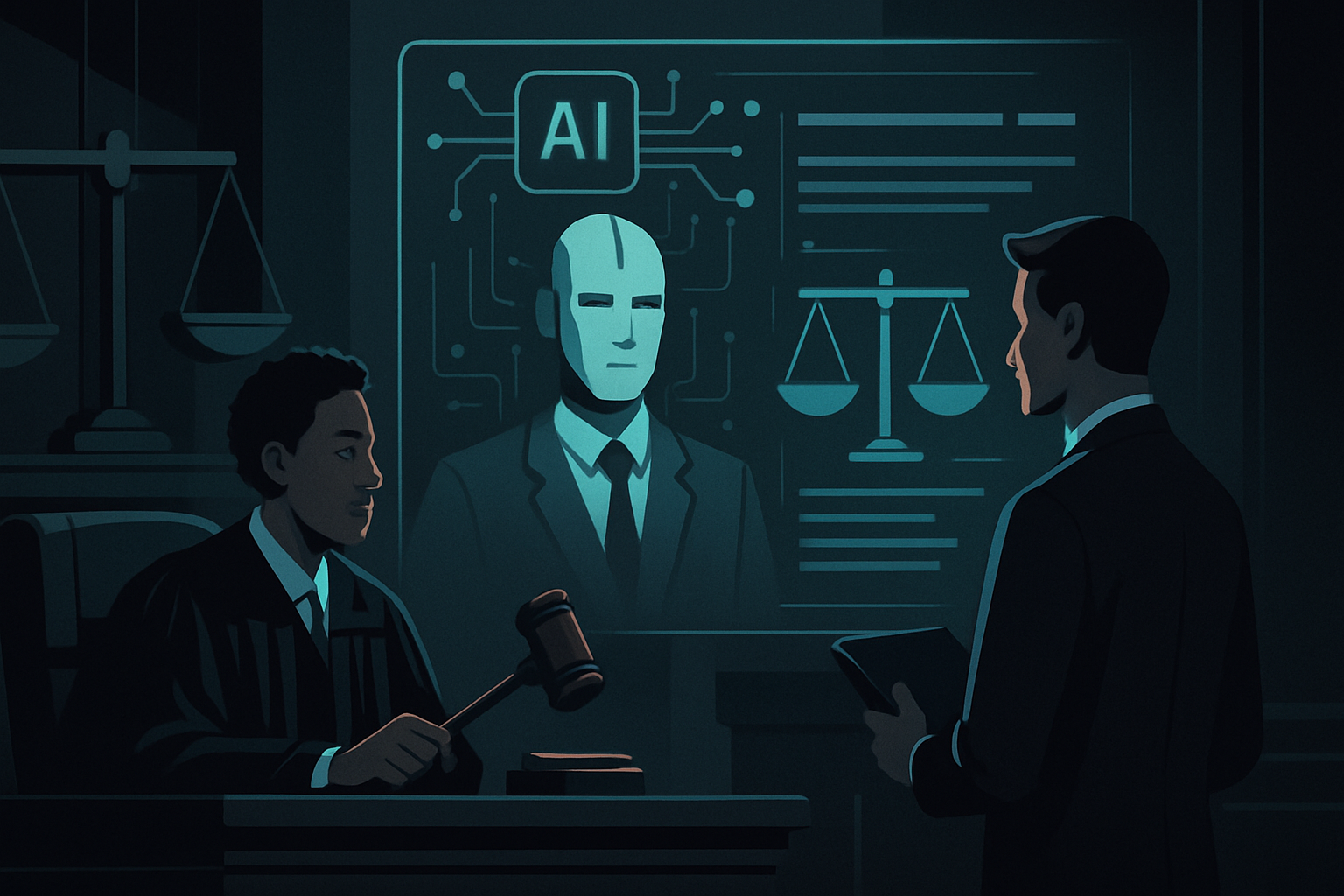
Artificial intelligence (AI) is establishing itself as a major player in the legal field, profoundly transforming the practices of legal professionals. Lawyers, notaries, judges, and corporate legal advisors are seeing their working methods evolve thanks to this powerful tool.
AI proves particularly useful for managing and analyzing large case files, drafting complex legal documents, searching for precise case law, and performing time-consuming tasks. However, its use must be regulated to avoid errors and ensure compliance with ethical standards.
The Cour de cassation, the highest court in France, recently examined the integration of AI into judicial institutions. It identified significant opportunities in terms of time savings and efficiency, particularly for the analysis of case law data and the pseudonymization of court decisions. However, it emphasizes the need to adhere to technical and ethical imperatives, such as the sovereignty of services and the transparency of decisions.
The Administrative Tribunal of Orléans reminded, in a decision dated December 29, 2025, of the importance of verifying the legal references provided by AI, after a lawyer used non-existent references in their arguments. This decision highlights the necessity for professionals to maintain their expertise and rigor.
Le brief IA que les pros lisent chaque soir
Les 7 actus IA du jour, décryptées en 5 min. Gratuit.
Inclus dès l'inscription : notre sélection des meilleurs guides & comparatifs IA.
Choisissez votre rythme
Gratuit · Pas de spam · Désabonnement en 1 clic
In the corporate world, the rise of AI is also changing the roles of corporate legal advisors and employee representatives. The Labor Code requires employers of companies with at least 50 employees to consult their social and economic committee (CSE) before deploying AI tools. This consultation is crucial for assessing the impact on employees' working conditions.
The use of AI is subject to strict regulations, such as the General Data Protection Regulation (GDPR) and the European AI Act. Additionally, the Council of Europe's Framework Convention on Artificial Intelligence and Human Rights, Democracy, and the Rule of Law, ratified by the European Union on May 15, 2026, aims to protect personal data and ensure the security and confidentiality of processed information.
Finally, legal professionals must be aware of the risks related to data confidentiality and business secrecy. Data leaks or unauthorized access can have serious consequences. It is therefore essential that humans maintain control over the tool, adhering to rigorous technical and ethical standards.
Brief IA — L'actualité IA en français
L'essentiel de l'actualité de l'intelligence artificielle, décrypté et expliqué chaque jour.