Ukraine to Deploy AI Model to Predict Russian Drones
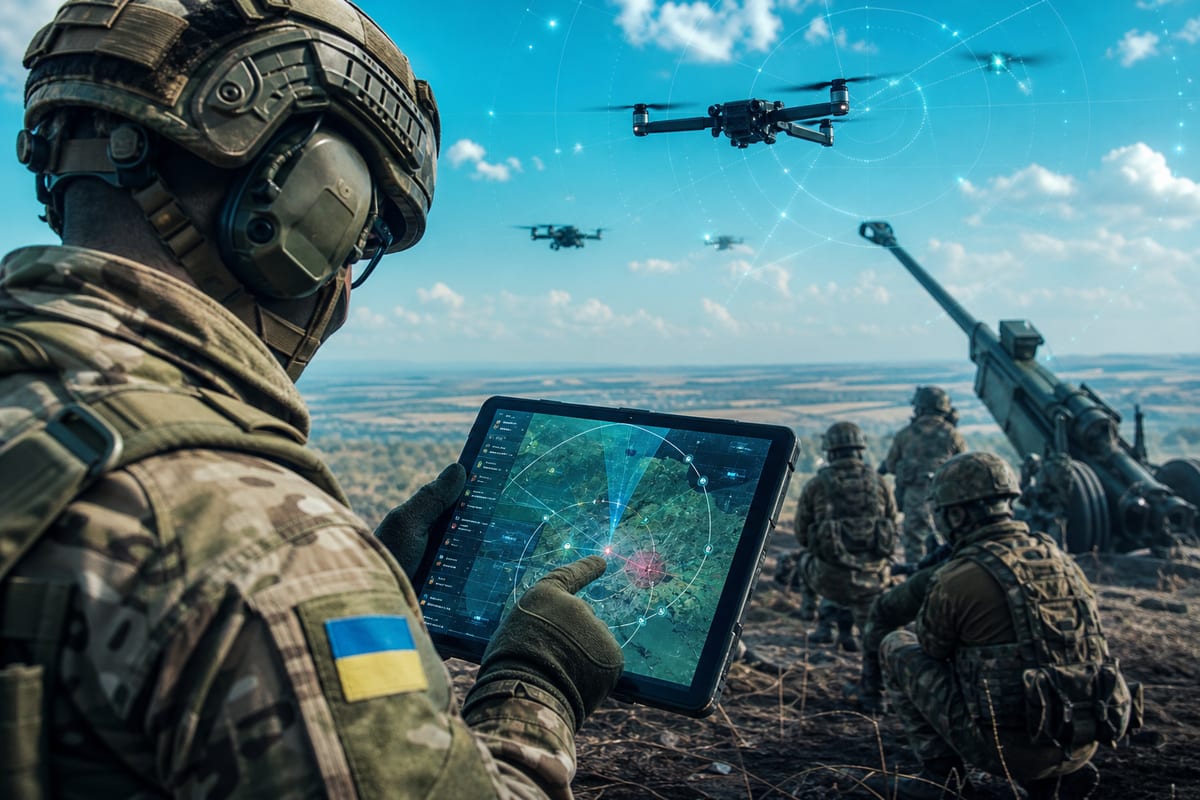
Ukrainian forces plan to introduce an AI model capable of predicting the use of Russian drones with "high probability." The system, developed in collaboration with NATO and announced as ready for integration, is set to be incorporated into DELTA, which already has an operational AI module. A second model dedicated to artillery is currently in testing.
DELTA Already Equipped and a New Model Ready for Integration
According to the Ukrainian Ministry of Defense, the solution has been validated on real data, refined, and declared ready for integration into the operational situational awareness systems of the Armed Forces. It is designed to fit into DELTA, the battlefield management application that aggregates intelligence from drones, cameras, and ground reports for visualization on tablets or phones. DELTA already incorporates an AI module, Vezha. Ukraine claims that this module can automatically detect and report Russian equipment within seconds using satellite images, drone feeds, and radio signals. In November, the ministry reported over 200,000 users of DELTA.
Joint Development with NATO and Support from JATEC
The Ukrainian ministry states that Model No. 13 was developed in collaboration with NATO. More specifically, the Armed Forces of Ukraine and the Allied Command Transformation designed the tool with the support of the Joint Analysis, Training, and Education Center (JATEC). This center was established by the alliance in late 2024 to support innovation drawn from lessons learned in the conflict.
The AI brief the pros read every evening
The 7 best AI stories, the essentials in 5 min. Free.
Included when you join: our pick of the best AI guides & comparisons.
Choose your rhythm
Free · No spam · Unsubscribe in 1 click
What Model No. 13 Promises Regarding Russian Drones
The model is presented as capable of analyzing battlefield data to anticipate how, where, and when Russia will conduct strikes. The ministry specifies that it utilizes combat histories, weather parameters, and terrain conditions to estimate, with "high probability," the uses of drones by Russian troops. The announced predictions cover the timing, location, intensity, and type of unmanned aerial vehicle likely to be employed.
Adoption Timeline and Second Model for Artillery
Kiev is preparing to deploy this tool and indicated on Tuesday that forces would begin using it to anticipate Russian drone strikes. Meanwhile, a Model No. 32 dedicated to planning artillery deployments is being jointly developed, with a prototype currently being tested by Ukrainian troops. Ukrainian officials had also stated in February that forces had been working since the previous year with AI and machine learning models to process combat data for "threat forecasting."
Brief AI — AI news in French
The essentials of artificial intelligence news, decoded and explained every day.